Issue #33.1 Paul Ilechko, LC Gutierrez, Russell Rowland
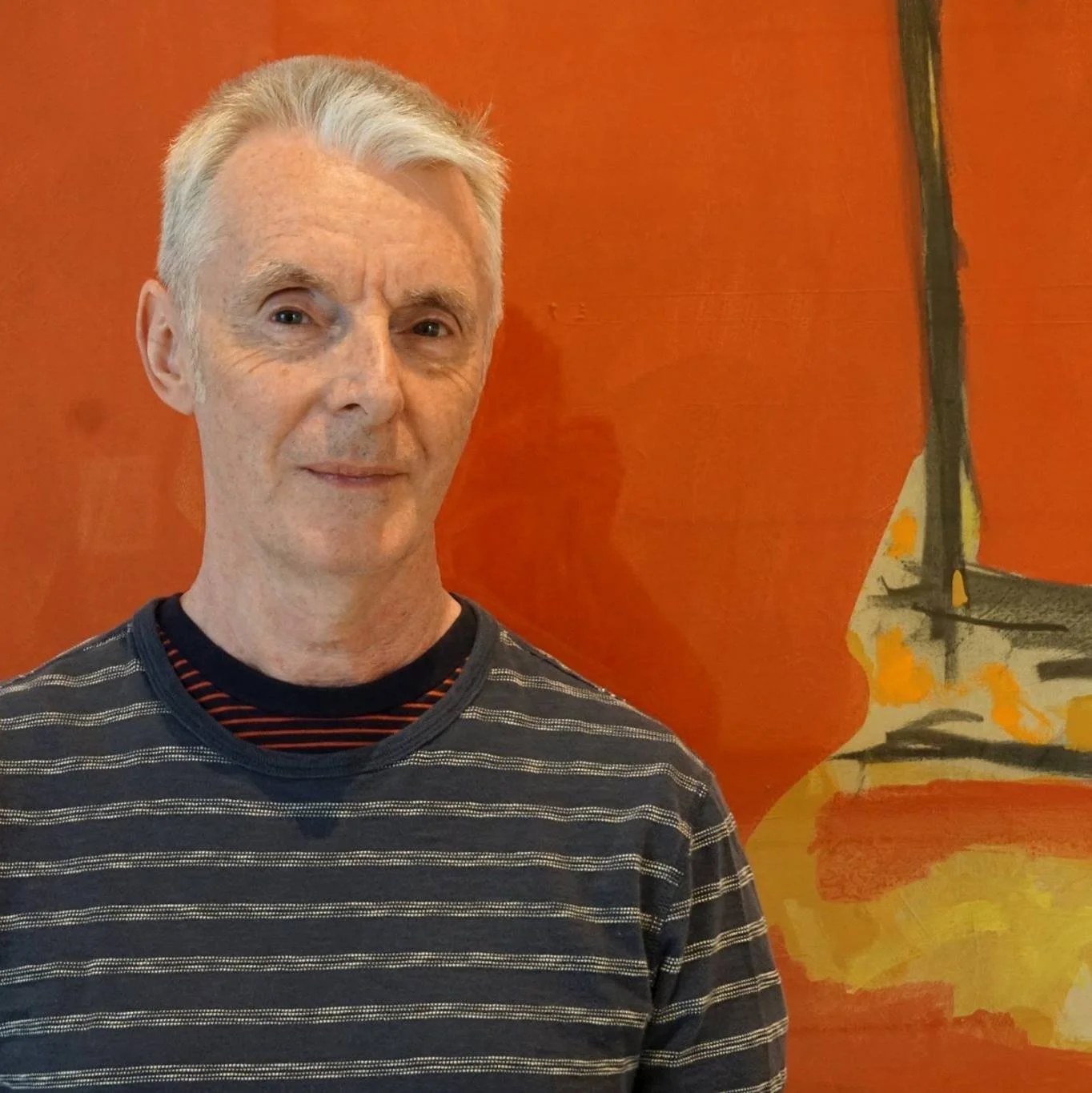
A Poem by Paul Ilechko
Planning for the Future
The girls hopscotched their way through our lives never missing a square while we threw rocks at trees and made plans to steal
packages from the local store we didn’t understand that they were already living in a world that we were unaware of
the girls dreamed into being their future homes farmhouses or penthouses they chose furniture from catalogs
locked the liquor cabinet and hid the key they knew they would have to teach us how to be human but were putting it off for as long as possible we came home
from the estuary with a sack of crabs our clothes reeking of salt nobody had drowned that day and we wallowed in our success.
________________________________________________________________________________________
Paul Ilechko is the author of Post Moby (Sheila-Na-Gig, 2026) and Fragmentation and Volta (Gnashing Teeth, 2025). His work has also appeared in many journals, including The Bennington Review, Bear Review, Atlanta Review, Permafrost, and Laurel Review. He reads for Marrow Magazine.
________________________________________________________________________________________
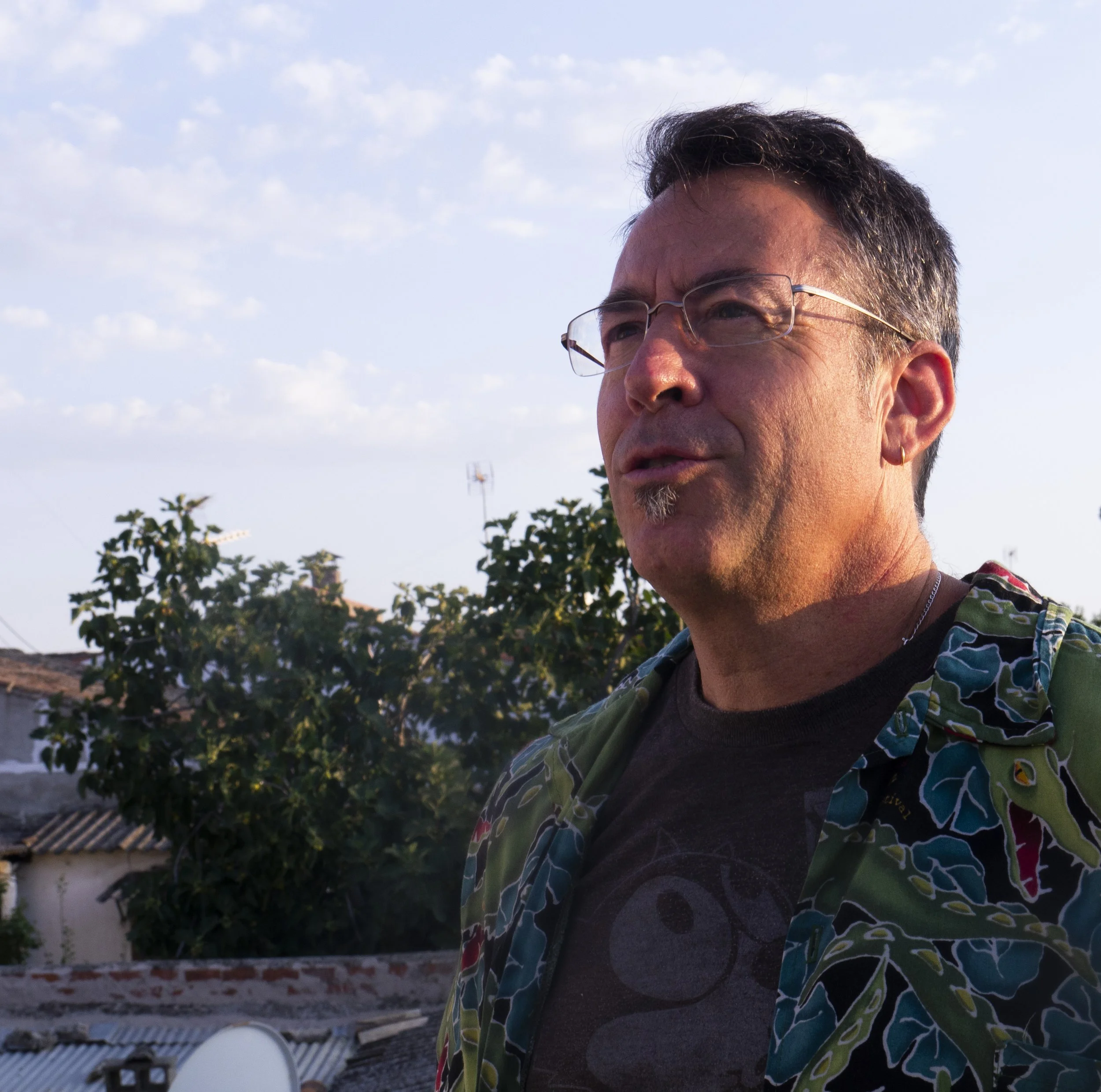
A Poem by LC Gutierrez
I, Pinocchio, Confess
It wasn’t her handsome, square-head husband that kept me from taking a taste. I was too young and my tongue too small and wooden to reach out for her: tan and peach-firm as she was.
So many fairy tales have seeds and weeds and stalks that sometimes pass right through the clouds. This one would rise out from under my evening sheets.
My hands fumbled furtive, pumpkin eager, midnight warm. My new-teen pulse ticking off each freckle spotted on her chest in the universe of our kissing back yards.
All of me would fresh grow swelling, blood, tight: I’d hold myself in the hungry belly of night. When he left her, I wondered how any flesh-born man
could turn from the sweet and almost real of her. When he left her, my neighbor’s wife was still pig-tailed, cotton-candied in denim, tight-cut shorts,
but now she lies in far-away glass, wrinkled and curled up like a witch. I have grown older and chastened too, while my nose just grows and grows and grows.
________________________________________________________________________________________
LC Gutierrez is an erstwhile academic and product of many places in the South and the Caribbean. He currently lives, writes, teaches, and plays trombone in Madrid, Spain. His work is recently published or forthcoming in New York Quarterly, Tampa Review, Rust and Moth, Blood Orange Review, and Trampset. He is a poetry reader for West Trade Review.
________________________________________________________________________________________
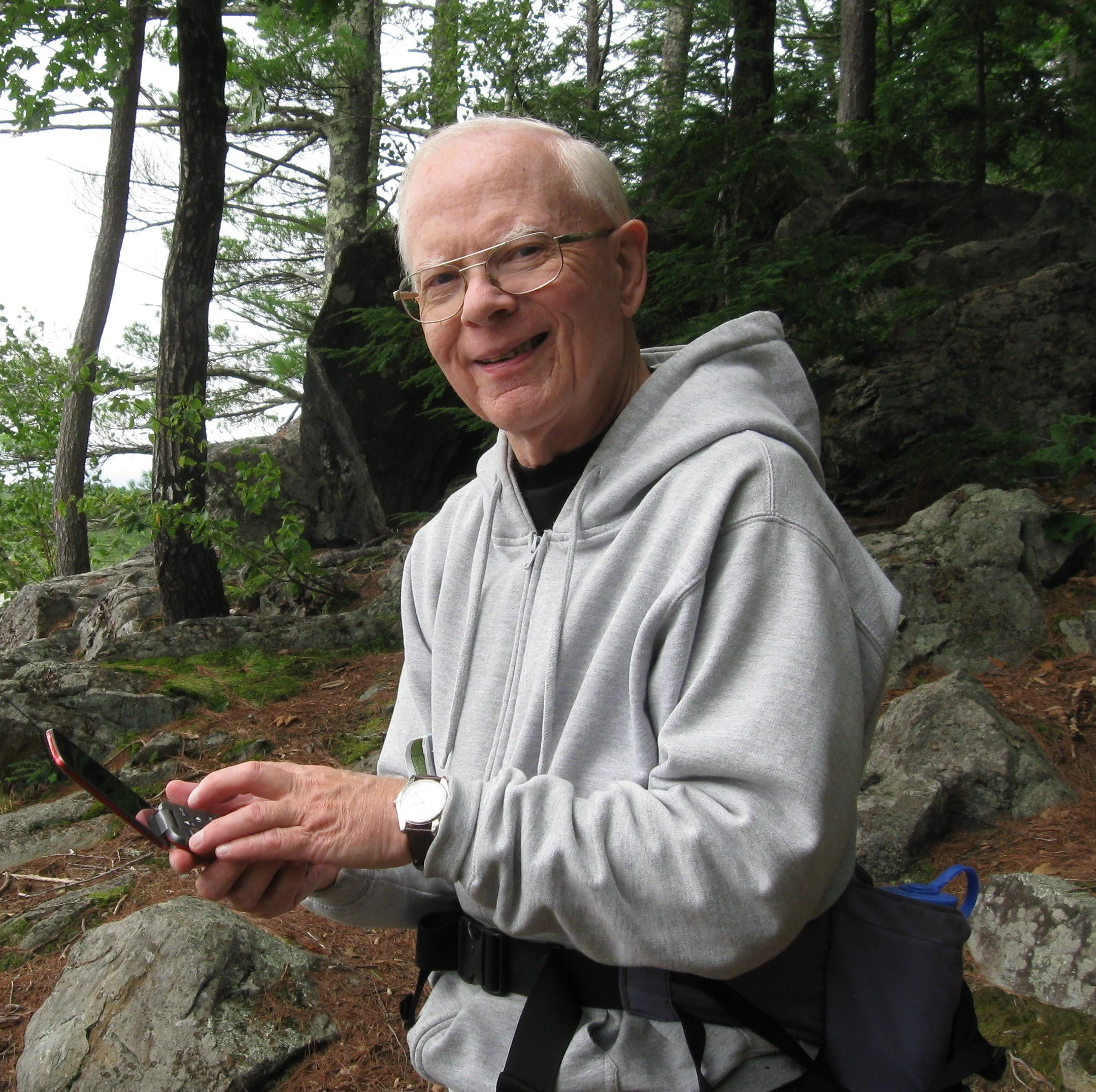
A Poem by Russell Rowland
Be It Ever So Humble
I paused at the edge of a ramshackle stretch of woods, branches fallen helter-skelter on the forest floor, broken trunks leaning like scattered jackstraws.
Windshear and microburst, drought, depleted soil, made this a slum among hardwoods.
Sheltering deer seemed to favor it, though—and an owl was reported uncomplaining, in the night watches.
Farmers of older days sent their offspring into woods like this, to harvest kindling without recourse to hatchet or saw. Even a toddler could fetch a twig or two, along with a piece
of blue eggshell, to put on the mantel over the fireplace— a token of evidence that life will nest, hatch, and fledge in any excuse for a woods.
________________________________________________________________________________________
Russell Rowland writes from New Hampshire’s Lakes Region, where he has judged high-school Poetry Out Loud competitions. His poetry books, Wooden Nutmegs and Magnificat, are available from Encircle Publications. He is a trail maintainer for the Lakes Region (NH) Conservation Trust.
________________________________________________________________________________________
Issue #33.2 Jason Kerzinski, Nicholas Skaldetvind, Richard LeDue
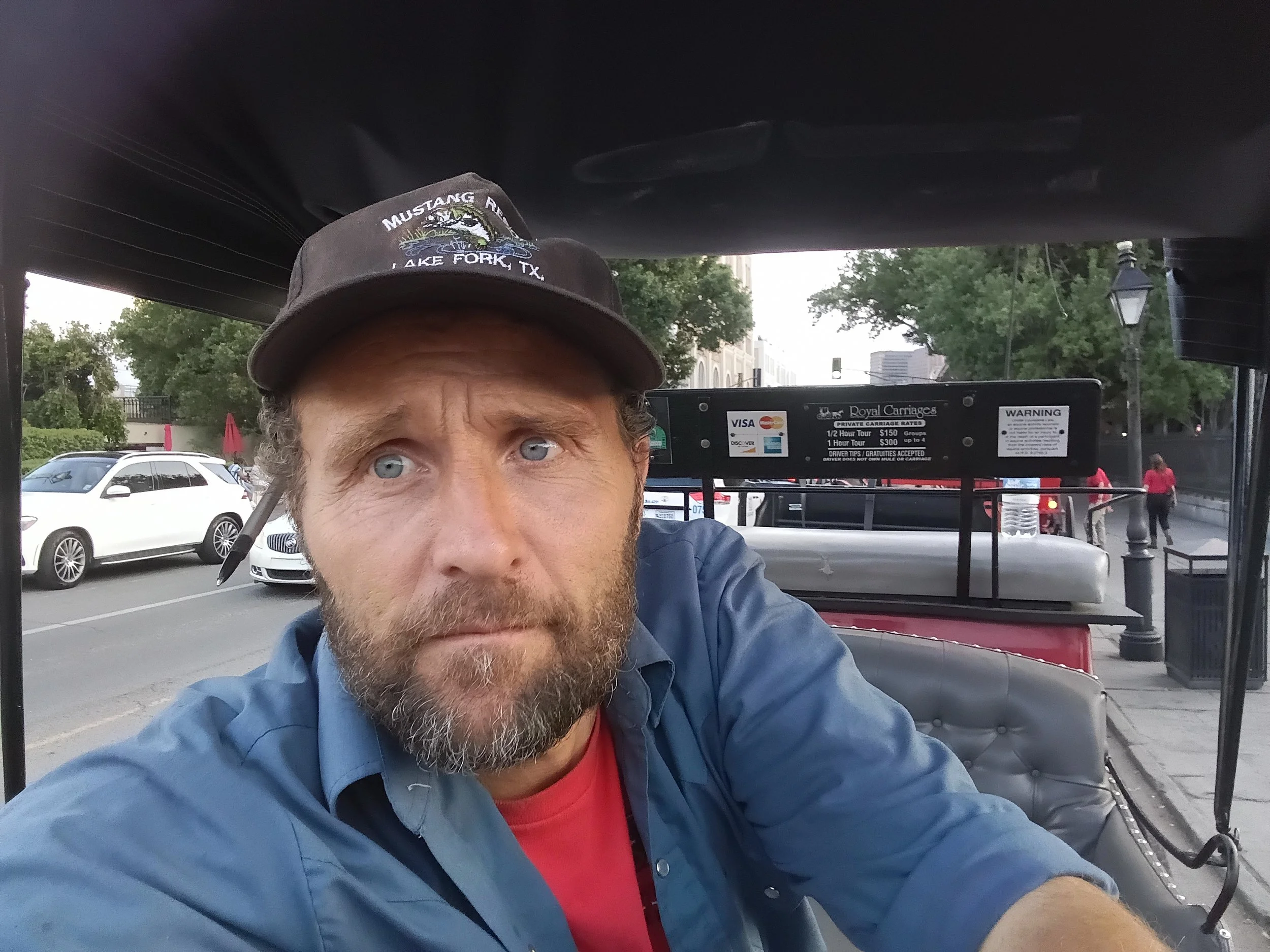
A Poem by Jason Kerzinski
Interest Keeps Spilling Over
student debt Jason sits at a coffee shop
sipping a latte with the finest latte art
made by a fellow student of debt
a student of debt named Mathew
who has been preaching unions to
his coworkers who look at him
not as a leader or a voice for change
but as a lukewarm cup of coffee
student debt Jason stares at the clock in anticipation
the hour of the daily call from the resolution group
who call only because they've been told
by the higher ups to make a daily phone call
with no intention of collecting a debt
a monetary debt that is now
accumulated 9863 dollars in interest
for a grand total of 29863 dollars owed
and the daily begging will begin
promptly at 6 PM
to not take 15 percent of student debt Jasons paycheck
where student debt Jason will lower himself to his knees
the coffee shop lowering to their knees
in solidarity with student debt Jason
because they are also debt holders
and nearly all of the population
are student debt holders
the coffee goers and the call center
employees who sleep in a cubicles
until their contract concludes
who will share a bathroom with 46 employees
until their contract concludes
who will be on a strict shower rotation
until their contract concludes
who will not see the sunshine
until their contract concludes
who will write detailed notes
about each student debt holders psychological states
until their contract concludes
hello student debt Jason
how are you to today student debt Jason
student debt Jason we can hear your nervous breathing
hello student debt Jason
how are you today student debt Jason
Good day student debt Jason
we will contact you promptly at 6 tomorrow
have a great night student debt Jason
________________________________________________________________________________________
Jason Kerzinski is a photographer, journalist, and poet known for his intimate street portraits and social justice storytelling. He began his artistic journey as a painter before transitioning to medium-format photography, capturing human experiences with depth and empathy. His work highlights systemic inequities, including projects like "Wrongful Convictions," which profiles recently exonerated individuals.
________________________________________________________________________________________
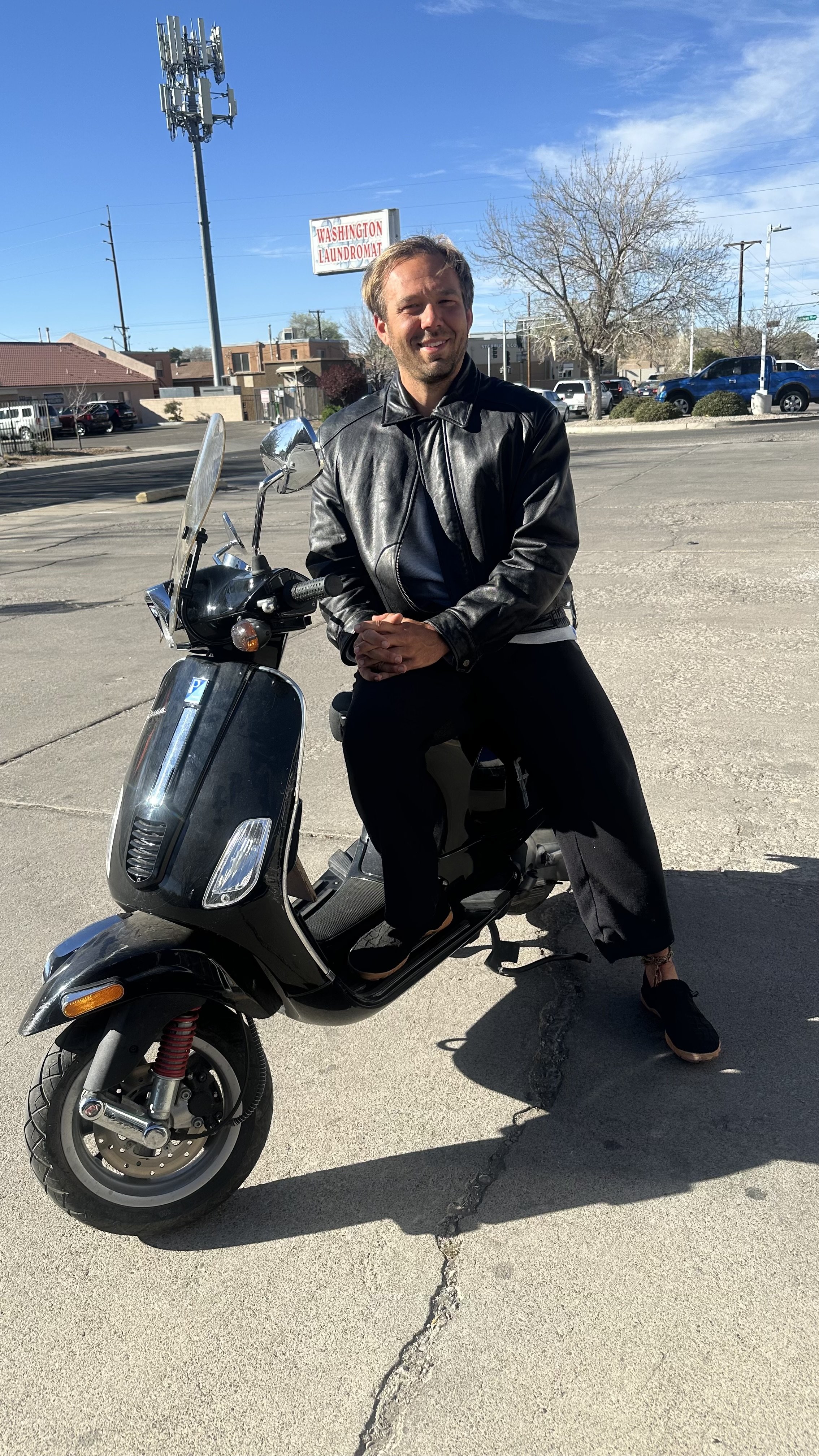
A Poem by Nicholas Skaldetvind
The Blue Rider
It is true that I have worshipped olive trees, have been praying to whatever I can get.
I trust in the birdsong to open the window, in their music to untune the sky.
In Tuscany I arrived on a cloudy day, asking you what is the closest I can come in body to the conceptual. Exhaling. Giving up by trusting in the dim homeostatic hum.
The hum changed my breathing, this constant waking on the stairs of trees before the circular green window of dove song I fashion my closing eye to.
Dreaming of a still world where space looks like the sound doves make at dawn,
the song of owls my pillow. And still, to become a machine that hugs olive trees.
With the scent of coming and going. A bipedal machine commandeered by details. To become the vent drawing the outside in. The inside out’s cloudy caress.
This is why silence threatens its own balance. Does not everything depend on the interpretation of the silence around us?
I read there is a boy in Owasco, New York and a boy in Ojai, California humming in each other’s ear.
In my two hands I hold the trees that protect these boys from the supervening silence until they find their footing before an errant ending
of the always in shadow, the dark blue of deep shade through which the seasons’ change, a tessellation of their echoes.
To continue the metaphor, there is a man in Waiheke, Aotearoa.
We are all named Hank.
When you ask me if I found them, I turn my face
neither powerful nor powerless in an amplified space of reception
and filling your vision as you circle around it.
Resplendent in its opening I say no
I rescued them.
________________________________________________________________________________________
Nicholas Skaldetvind is a Maximalist. He lives in Albuquerque.
________________________________________________________________________________________
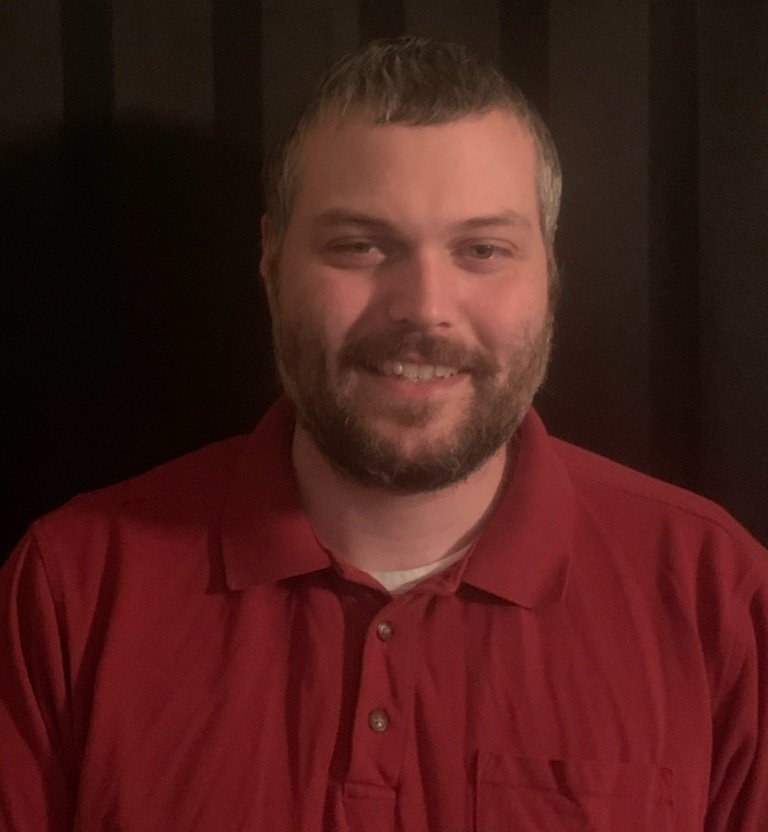
A Poem by Richard LeDue
“The Secret of the Stars”
I’ve accepted my poems will probably die, while Brahms hollers into the night like drunk Christmas carolers, and the silence is okay with all of this, knowing the secret of the stars is that they believe in an immortality that’s really a morbid fact about their deaths and the speed of light, but if I’m lucky, my books will find a place in the fluorescent light of a thrift store tomb, where the cookbooks are in worse shape than the complimentary bibles.
________________________________________________________________________________________
Richard LeDue (he/him) lives in Norway House, Manitoba, Canada. He writes poems. His last collection, “Existential Drunk,” was released from Alien Buddha Press in May 2026.
________________________________________________________________________________________
Issue #33.3 Joshua C. Pipkins, Jason Ryberg, Lee Potts

A Poem by Joshua C. Pipkins
Yet Though I Must Lose My Life
The nightingale sings thought Gawain. He made himself still listened to its distant elegy.
All is white o’er the fields. All is angels’ feathers eager to embrace for heavenly price.
Steady my feet oh Great Lord Gawain prayed. If he were to move now he would flee.
Mountainous stood The Chapel forever untouched by snow. Green vines swallowed its walls and ground themselves like hungry teeth.
Steady my heart oh Great Lord. Let me go bravely to this Spring.
He unfastened the girdle once given to him as a shield against Death and went humbly into that Chapel with the nightingale’s song upon his lips. ________________________________________________________________________________________
Joshua C. Pipkins is a pushcart nominated poet based in Memphis, Tennessee.
________________________________________________________________________________________
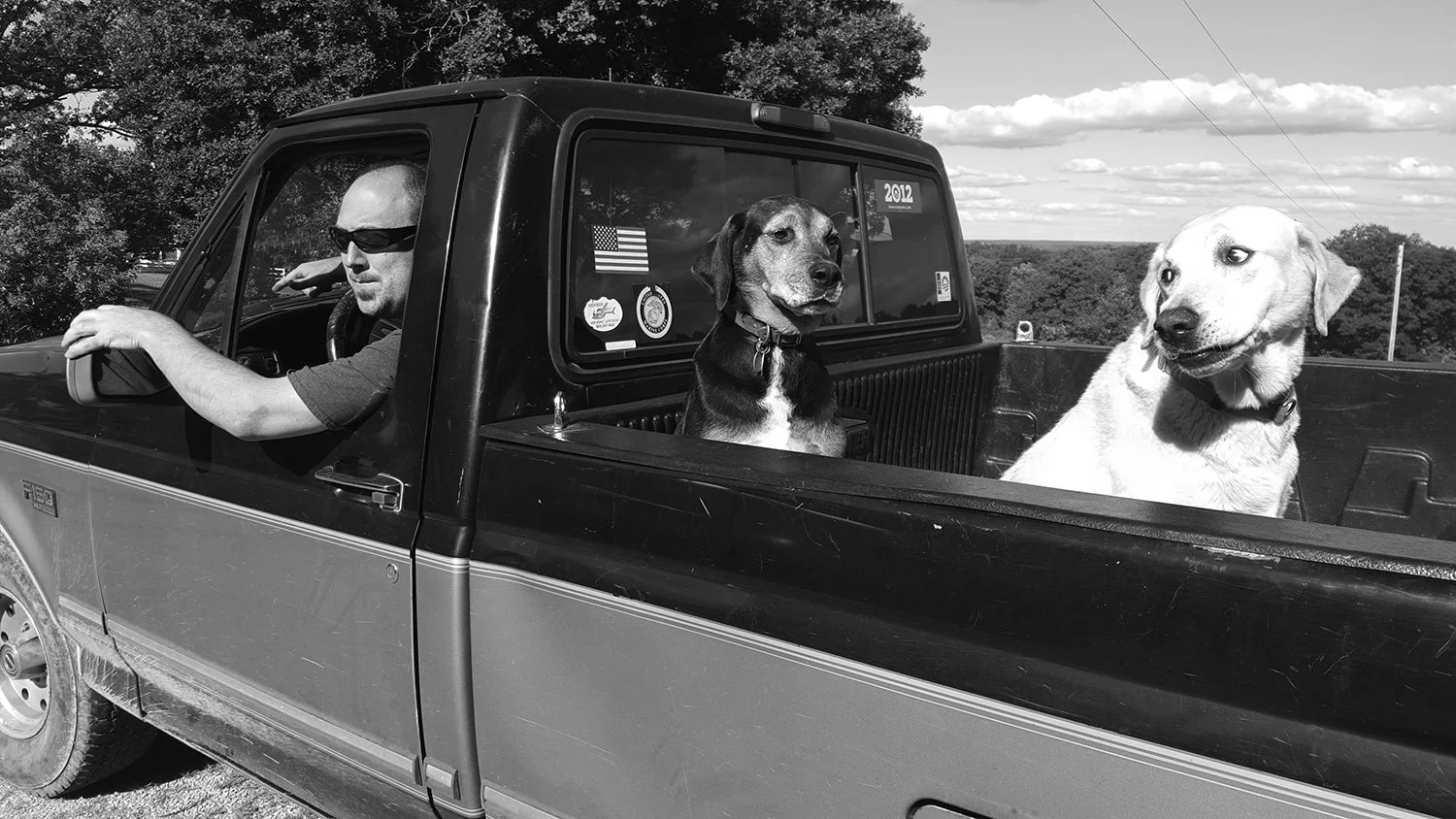
Two Poems by Jason Ryberg
Hunting for Marlon Brando
June in Missouri is like a primeval jungle where someone, somewhere is playing Caruso on an old timey gramophone while hunting for Marlon Brando.
Sliding Down the Straight Razor of Heaven
The summer air is boiling over and roiling with the black shadows of buzzards and crows, and the early evening sky is a bright, neon lip- stick smear of orange and red (with a thin stripe of coagulated blood that has pooled on the frayed and tattered tree line (the sun, already, having slid all the way down the straight razor of Heaven (much like the fabled philosopher’s stone plunging to the bottom of a well), as it does at the end of each day, in order to be baptized in the black river of the void).
________________________________________________________________________________________
Jason Ryberg is the author of twenty-five books of poetry, six screenplays, a few short stories, a box full of folders, notebooks and scraps of paper that could one day be (loosely) construed as a novel, and countless love letters (never sent). He is currently an artist-in-residence at both The Prospero Institute of Disquieted P/o/e/t/i/c/s and the Osage Arts Community, and is an editor and designer at Spartan Books. His work has appeared in As it Ought to Be, Up the Staircase Quarterly, Thimble Literary Magazine, I-70 Review, Main Street Rag, The Arkansas Review and various other journals and anthologies. His latest collection of poems is “And When There Was No Crawfish, We Ate Sand (co-authored with Abraham Smith, Justin Hamm and John Dorsey (OAC Press, 2025)). He lives part-time in Kansas City, MO with a rooster named Little Red and a Billy-goat named Giuseppe, and part-time somewhere in the Ozarks, near the Gasconade River, where there are also many strange and wonderful woodland critters.
________________________________________________________________________________________
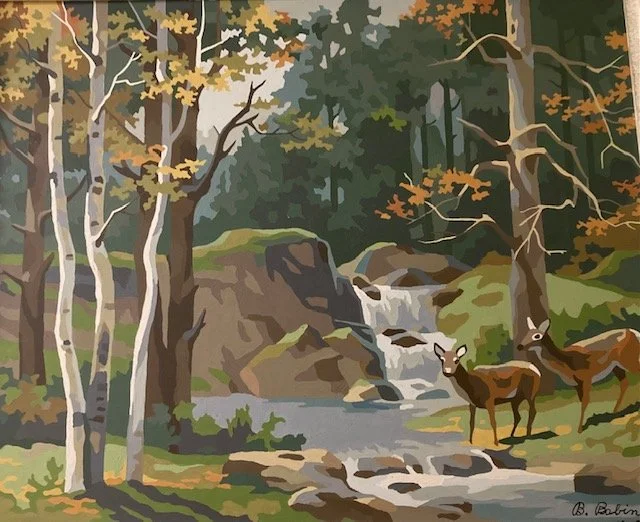
A Poem by Lee Potts
The king of the birds goes to bed
He stretches to smooth out the wild air around him, recites a psalm, goes over what was lost, what was found, the soft, brown apples rotting in the grass, mutters What needs to go, needs to go.
The ghost of his great-great-grandfather comes back again to share new verses from the ancient ballad about the way he tricked rain into falling and stopped the great fire from taking his kingdom. They are the same new verses every time he visits.
This morning, he saw a yellowjacket climb into a soda can and, after a while, stop humming. It’s terrible for him to dream all night of dying enclosed with wings suddenly sticky and useless
.________________________________________________________________________________________
Lee Potts is founder and editor-in-chief of Stone Circle Review. His work has appeared in Glass: A Journal of Poetry, The Shore, The Night Heron Barks, Rust + Moth, UCity Review, Moist Poetry Journal, and elsewhere. He is the author of two chapbooks. The most recent, We’ll Miss the Stars in the Morning (Bottlecap Press), was published in 2024. He lives just outside of Philadelphia with his wife and daughter.
________________________________________________________________________________________
Issue #33.4 Damon Hubbs, Sharon Kennedy-Nolle, Mark J. Mitchell
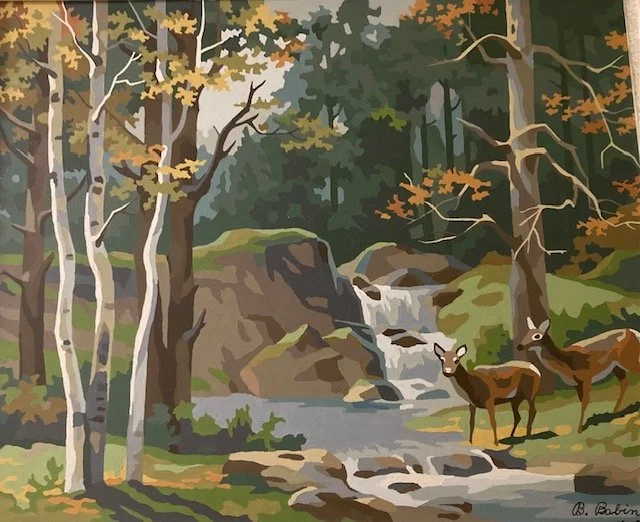
A Poem by Damon Hubbs
St Elizabeth
At the corner & he, praying to the muse in Sunday school when Elizabeth bit me on the arm. The psychiatric ward has a skull shrine. This is east of Prague, of course. Which is six hours ahead and friendless. I feel old.
I’ll call her St Elizabeth. We fell over ourselves. Too bad I never learned to paint. The incalculable equation of heaven and hell has me dying right. Imperious twilight high as my pal Odysseus.
Something marvelous with loaves and fishes. She cooked. She said it in ten languages. Since you want me to tell you about myself I’m going to make you happy. The plumage on the Potomac is like a feast-day bouquet
—God-step. Brain fever. The rock drill hammers. I can hear it like a row of rooms with different lighting. Scarlet Tanager; Indigo Bunting. Charioteering with excess: How, and where, do we begin? ________________________________________________________________________________________
Damon Hubbs is a poet from New England. His work has appeared in Hobart, Apocalypse Confidential, Farewell Transmission, A Thin Slice of Anxiety, Horror Sleaze Trash, The Gorko Gazette, The Literary Underground, and elsewhere. He is the author of the poetry collections Nighttime Logic and Venus at the Arms Fair.
________________________________________________________________________________________

A Poem by Sharon Kennedy-Nolle
Two Confessions
I am staring at the face, plastered on telephone poles,
--Geeky, glasses, acned smirk, bushy hair— Another ginger, a red-haired boy, missing for days.
Neighbors curb-cluster, talking quietly to police, as we comb Fort Hill Cemetery graves.
It’s just as we did for you, son. When you lit out “to see the full moon rise over the water”
On that rainy, rainy night That canceled your scent, leaving the police dogs yawning.
During those know-nothing weeks, I smilingly confessed that I was at peace if you were just at rest
In the bottom, say, of some unknown still pool Surrendered to something the sediment would settle. . .
What a necessary lie.
But the bloodhounds bring this boy home, From hiding out under a school desk.
Just pranking, a joke gone bad, no harm intended says the relieved police chief
In this turn to tender September, snakes still warm on sidewalks,
When I hear the news, I admit I was half-hoping they wouldn’t find him
At least not alive.
________________________________________________________________________________________
Appointed the Poet Laureate of Sullivan County for 2022-2024, Sharon Kennedy-Nolle was awarded a Poet Laureate Fellowship for 2023-2024 from the Academy of American Poets. A graduate of Vassar College, she received an MFA from the Writers’ Workshop as well as a doctoral degree in nineteenth-century American literature from the University of Iowa. She also holds MAs from the Writing Seminars at Johns Hopkins University and New York University. In addition to scholarly publications, her poetry has appeared in many journals. Her chapbook, Black Wick: Selected Elegies was a semi-finalist for the 2018 Tupelo Snowbound Chapbook Contest. Chosen as the 2020 Chapbook Editor’s Pick by Variant Literature Press, Black Wick: Selected Elegies was published in 2021. Kennedy-Nolle was winner of the New Ohio Review’s 2021 creative writing contest. “Not Waving” was chosen as a 2025 semi-finalist for Lighthouse and for Long Leaf Presses, a 2021 finalist for the Black Lawrence Press’s St. Lawrence Book Award, a 2021 and 2022 semifinalist for the University of Wisconsin Poetry Series' Brittingham and Felix Pollak Prizes, and a 2022 semifinalist for the Two Sylvias Press’ Wilder Prize and for the Brick Road Poetry Contest. Kennedy-Nolle lives and teaches in New York. She is currently working on a larger poetry project devoted to exploring the lives of trauma survivors based on her travels in SE Asia this winter.
________________________________________________________________________________________
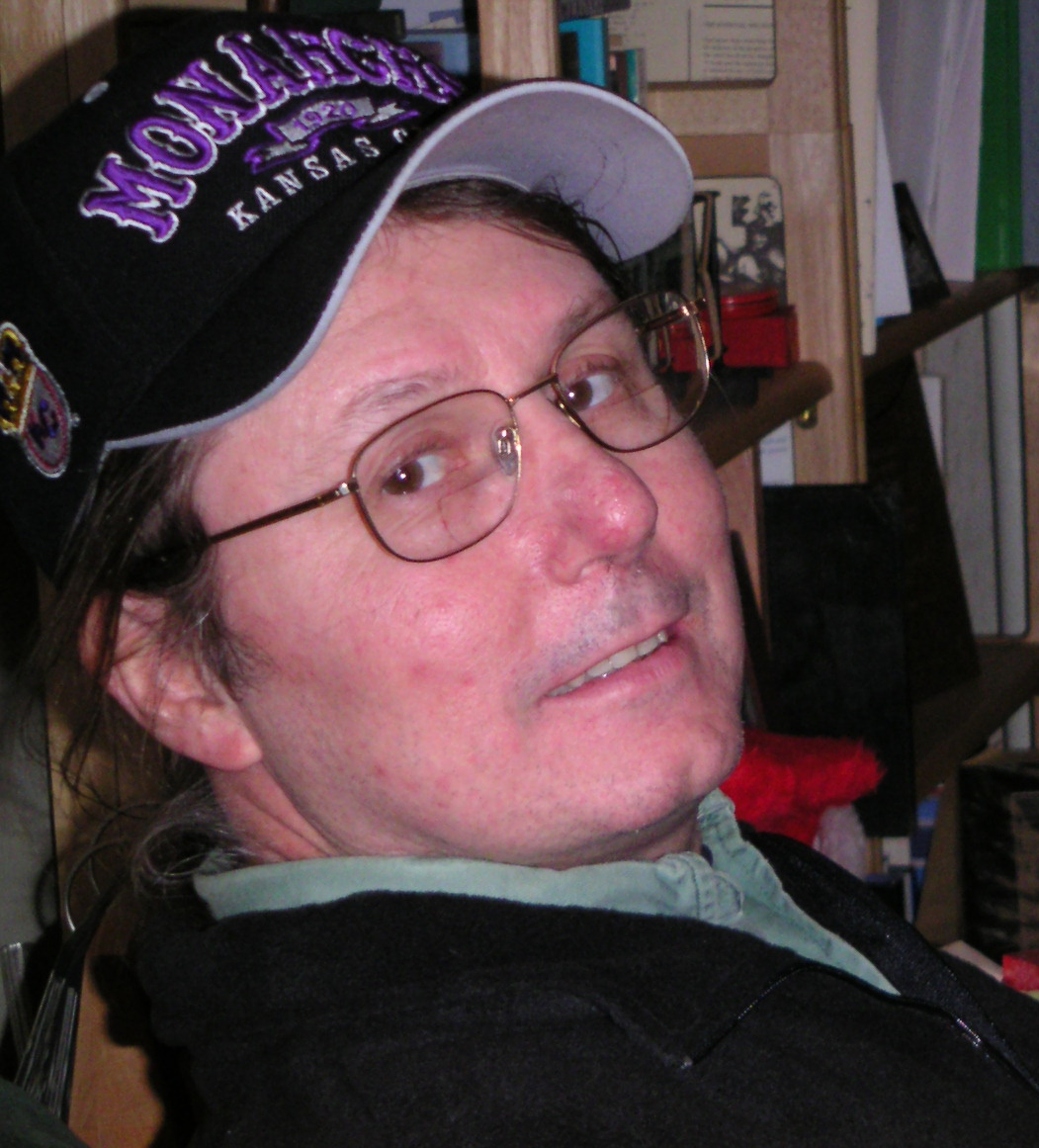
A Poem by Mark J. Mitchell
Hidden Talent
Two days after the rain came back she practiced walking on water. It’s not something that you’d notice, but her feet never touched pavement.
She practiced. Walking on water poses its own danger. She won’t fall, she knows, but she could fly off and lose her place on the planet,
It’s not something that she’d notice at first, but it happened before— She still worries about that lost child but not the husband she forgot.
She keeps her feet close to pavement and her dance steps in her dreaming life. She won’t practice if it floods, just when there’s rain a day or two.
.________________________________________________________________________________________
Mark J. Mitchell has been a working poet for 50 years. His latest collection is Something To Be. A novel, A Book of Lost Songs, was recently published by Histria Books. He’s fond of baseball, Louis Aragon, Dante, and his wife, activist Joan Juster. He lives in San Francisco where he points out pretty things.
He can be found on Bluesky @MJMitchellwriter
________________________________________________________________________________________
Issue #33.5 Lynn Glicklich Cohen, Michael A. Wiegard, Daniel Coudriet
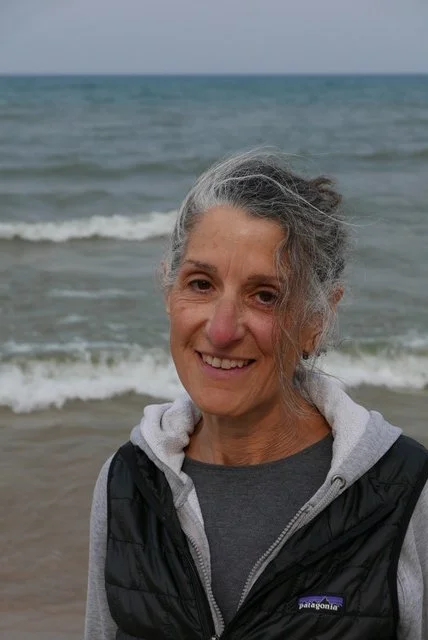
A Poem by Lynn Glicklich Cohen
Perfection
That male cardinal doesn’t know he’s red (or scarlet or crimson) doesn’t know he’s beautiful, startling against this muted winter landscape, his song an unexpected note in a familiar melody, he grabs our attention. Listen to the Largo of Chopin’s cello sonata, imagine hearing an Eb instead of the D in the fourth bar. A surprise that is still beautiful. But not to the mortified cellist. I was married to one once. After performing, he’d tantrum about memory slips, a sloppy lick, skidding bow. He bashed in walls, sulked for days. He heard perfection in his head, forgot and would not forgive the beauty of his own humanity. The difference being, the cardinal cannot sing a wrong note, even if he tried.
________________________________________________________________________________________
Lynn Glicklich Cohen is a poet from Milwaukee, WI. Her poems have been published in numerous journals. She loves cold weather, late autumn darkness, deep conversation, tart apples, a clean lap pool, and wrangling a poem in progress. She is grateful to Trampoline for supporting her work.
________________________________________________________________________________________
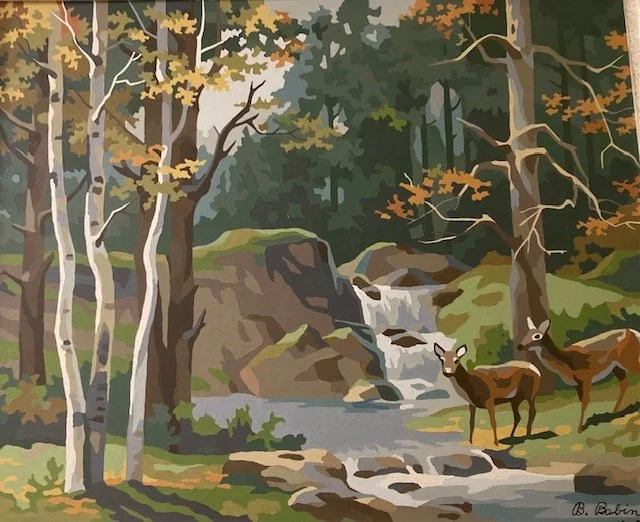
A Poem by Michael A. Wiegard
August
The area is on red alert, Leaden heat building a storm. You walk into the evening rain, Soaked clothes clinging like hands To your visible skin.
Undressing in darkness Beyond the porch light’s circle, You are cleansed and unreachable As the hidden moon, unable To return and grace this leering world.
.________________________________________________________________________________________
Michael A. Wiegard is a semi-retired attorney from Virginia who now lives outside New Orleans. He returns frequently to visit his three sons and six grandchildren. He has poems forthcoming in Joie de Vivre: A Journal of Art, Culture, and Letters for South Louisiana.
________________________________________________________________________________________
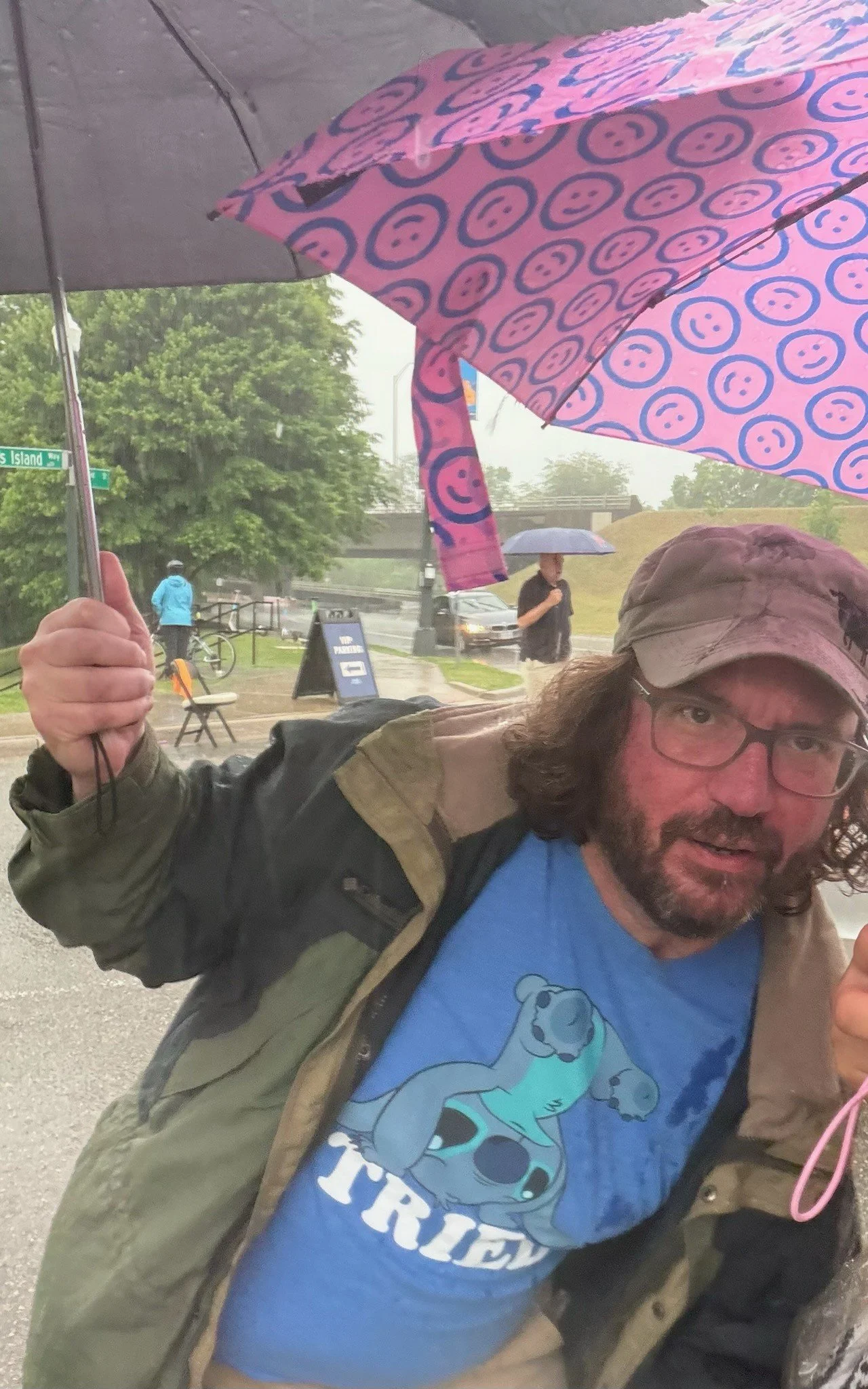
Two Poems by Daniel Coudriet
from The Music The Girl Across The Room Is Dancing To
Like the warmth
from a tube amplifier makes you forget
the whole room is in your hands.
Every deep tone. Every resonance.
A body is a vehicle.
A poem is a body.
If you have read this you are not worried
about a meal.
So much we plant
& expect others to deal with.
A collapsed animal’s body
that fought.
A roadside,
a deep breath, people moving,
a medicine.
Needles make sounds.
Wearing sunglasses at dinner is a sign
always
& animals leaving
is something no map can solve,
trees fear guns & cigarettes,
too many birds.
We try to talk
about cliffs,
a collapsed circus tent,
instruments we tried to save.
I’m still walking home
& thinking of notes I didn’t play.
These are the songs I didn’t write.
from The Music The Girl Across The Room Is Dancing To
Houses are echoes of questions meant well but resented. Intervals speak by creating space. A praise of air & vibration as it hits us. Architecture is a way of needing space, sleeping in a child’s room.
________________________________________________________________________________________
Daniel Coudriet is the author of Say Sand (Carnegie Mellon University Press, 2010) and the chapbook, Parade (Blue Hour Press, 2012). His translation of Argentinean poet Alicia Genovese's Bridges was published by Cardboard House Press in 2024. His poems and translations have made recent appearances in Bennington Review, Cleaver, Conduit, The Idaho Review, Lost Pilots, Midway, Moon City Review, Poetry Northwest, R&R, Western Humanities Review, and elsewhere. These writings are excerpts from a book-length poem.
________________________________________________________________________________________
Issue #33.6 Three Poems by Robyn Art
Spirit Week
Like anything else, it begins with travel, With flying too close to the sun in a pair of lame-ass Homemade wings, some minor god-cum-summer-school-wastoid Cooling his heels in Panera bread. These years they’ll remember as barely-escaped, Like hauling a loved one from the burning wreck. Dodgeball, Red Rover, the quaintly violent Children’s games of yesterday. Mondays, a perennial unboxing reel Stuck on continuous play: If we’d known X when we were young, we would’ve what? What? What? What?
Big-Time Imposter Syndrome
We rage-quit. Tried to revive the form. Bought into the hobbyist agriculture craze, the affluents’ love affair with backyard chickens. (The Undead Workout: RU ready for the zombie apocalypse?) Microdosed. Outlasted the oughts, trauma shears held to the century’s inseam. (Kierkegaard's last words: Sweep me up!) That control freak the sun not getting any younger. In the foreground, birches slumped together like a huddle of gloomy teens. (Nietzsche's last words: I understand you!) In the background, final words of the hypnosis game we played as kids: She’s getting Worse! She’s getting worse!
Nostos Algos
The whole world, however large, is only an extended hometown. –Goethe
In the distance between Comeback Tour and Highlights reel, nostalgia is a weapon held to the throat of autumn–owls swooping, ground flecked with frost and gore. Things were different then, not so much hampered by rubrics and enrichment activities, mostly just careening down the icy slope on shredded plastic roll-up sleds to a euphoric, bloody-nosed heap. As a child, you didn’t do enrichment activities. You played in the woods and got poison ivy. Ditto, voted Most Likely to Make A Citizen’s Arrest. First childhood memory: The DDT truck ambling through the neighborhood, kids frolicking in the poison mist. If space is nothing more than refracted light and moves sideways, time is holographic and moves backwards, a Put In Correct Order chart we made at school: 1) The river was named for the elder. 2) One day, the sons found a river. 3) The river abutted the farmer’s fields. 4) Once a farmer had two sons.
________________________________________________________________________________________
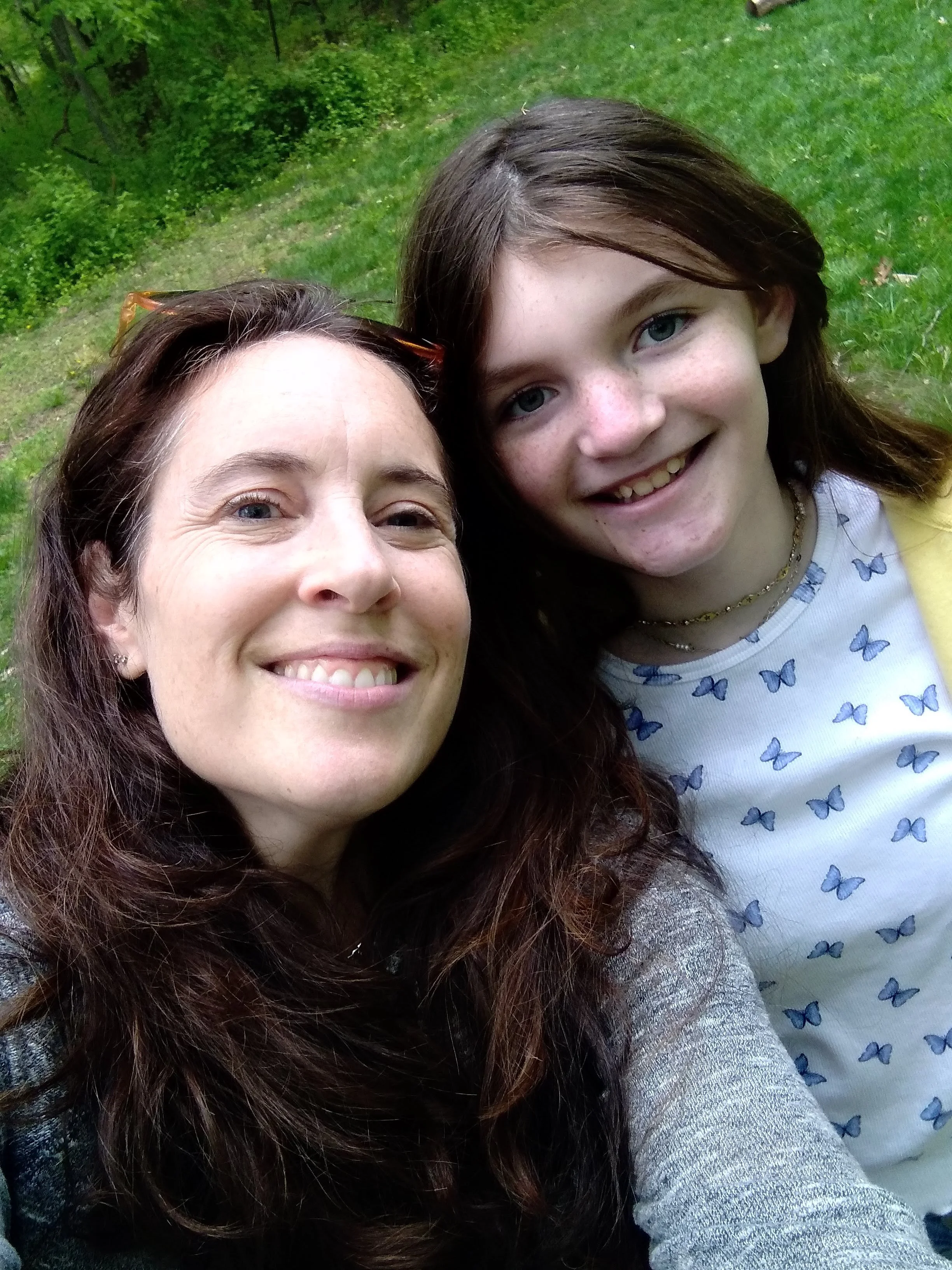
Robyn Art is the author of "The Stunt Double in Winter" (Dusie) and "Farmer, Antagonist" (Burnside Review Press) as well as several chapbooks from dancing girl press. Recent work appears in Puerto Del Sol, Slant, Pine Hills Review, Action, Spectacle, and Ballast.
________________________________________________________________________________________
Issue #33.7 Laura Michiels, J.R. Solonche, Mila Holt
A Poem by Laura Michiels
Bust
Two heavy lumps of clay attached to my torso moulded into place by a thousand fingers until the shape is to their exact liking.
Hidden beneath layers of ample fabric they still distract. Late into the night I add complicated charts to slideshows pour numbers into staggering structures words chewed and mashed into soft texture.
I enter a room filled with wolfish grins. My voice withers, my chest engages in an unwitting dance buttons strain energy of animal pelts and hunting.
Jacket closed, I speak up. My eyes desperate fish hooks keep on sinking no catch of the day unless I allow a sliver of skin to ripple.
________________________________________________________________________________________
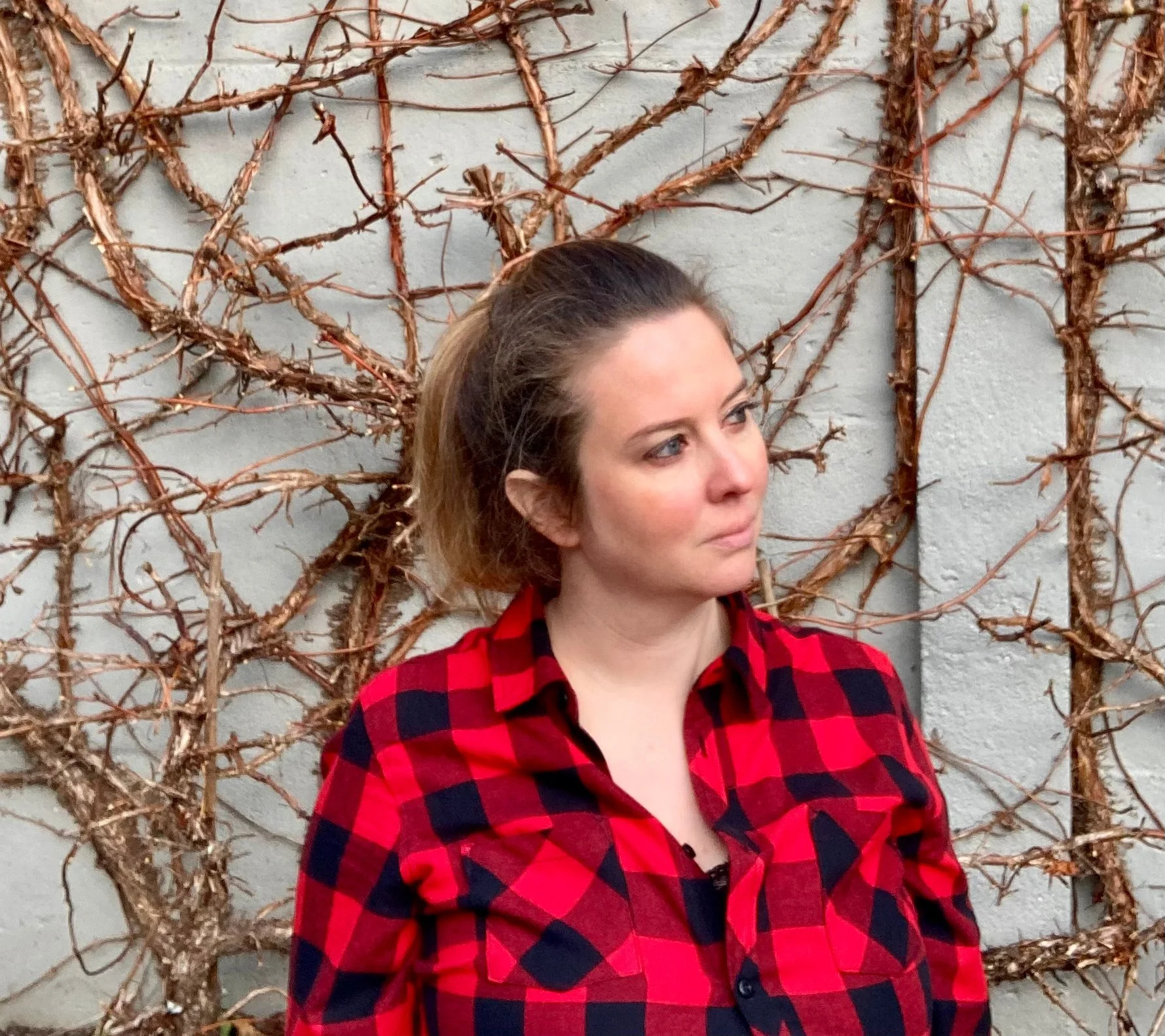
Laura Michiels is a theatre scholar and poet based near Brussels in Belgium. She holds a PhD in American Literature and wrote a scholarly monograph about Tennessee Williams. Her poems have appeared or are forthcoming with Thorn & Bloom, DarkWinter Literary Magazine, The Brussels Review and The Ekphrastic Review. Her poetry project focuses on female myth-making, performance, and mental illness.
________________________________________________________________________________________

A Poem by J.R. Solonche
The Dark Side
There is another side to the story,
the one the moon keeps to itself,
turned away from our small, prying eyes, like someone reading a private letter who shifts her shoulder to block the view. A landscape of pure listening.
No rivers, no trees, no wind to blow.
Only the cold weight of ancient impacts,
craters named for men who thought deeply about things they could never touch. We think we see the whole truth.
We map the glowing seas of dust, and we call it the moon, forgetting the rest. Of course, it is not dark at all. It gets as much sun as the front, a long, slow baking of dust and craters, a blind and deaf side where the radio goes dead, where astronauts, for a few sharp minutes, are magnificently alone. We call it dark because we are blind to it. We give our ignorance the name of shadow. It’s the room we never go into. It’s the drawer we leave shut. It’s always there, holding up the light we praise so much, bearing the heavy, unseen burden of the dark.
________________________________________________________________________________________
Nominated for the Eric Hoffer Book Award, twice for the National Book Award and three times for the Pulitzer Prize, J.R. Solonche is the author of more than 50 books of poetry and coauthor of another. He lives in the Hudson Valley.
________________________________________________________________________________________
A Poem by Mila Holt
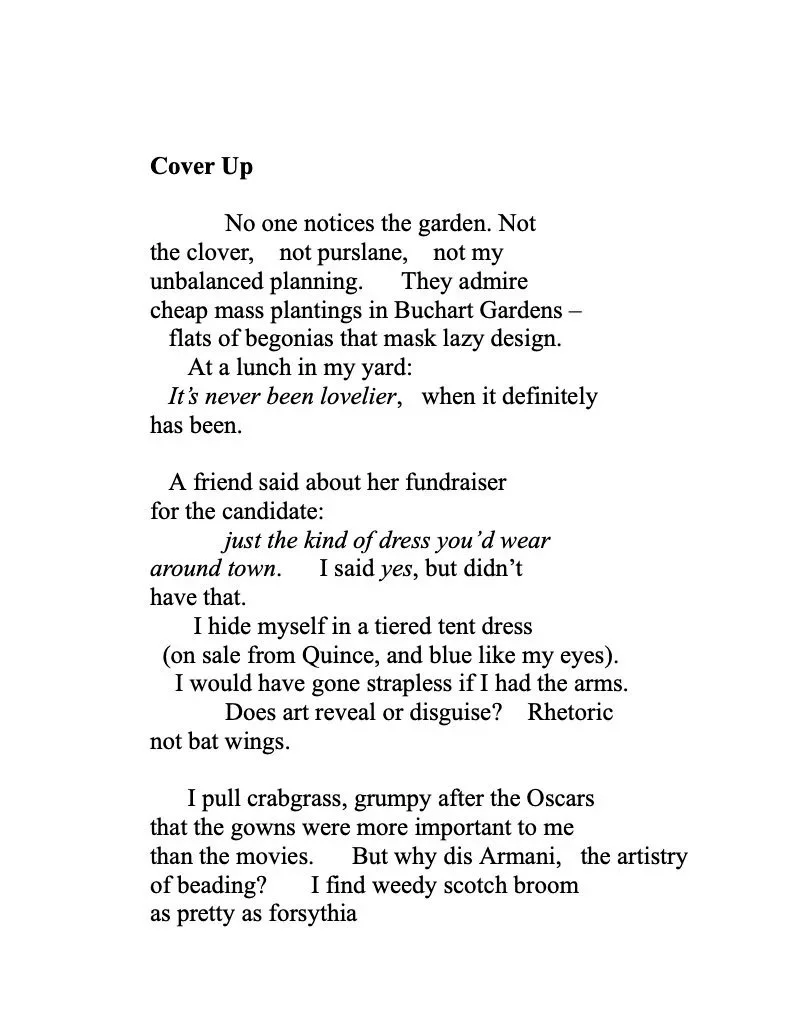
________________________________________________________________________________________
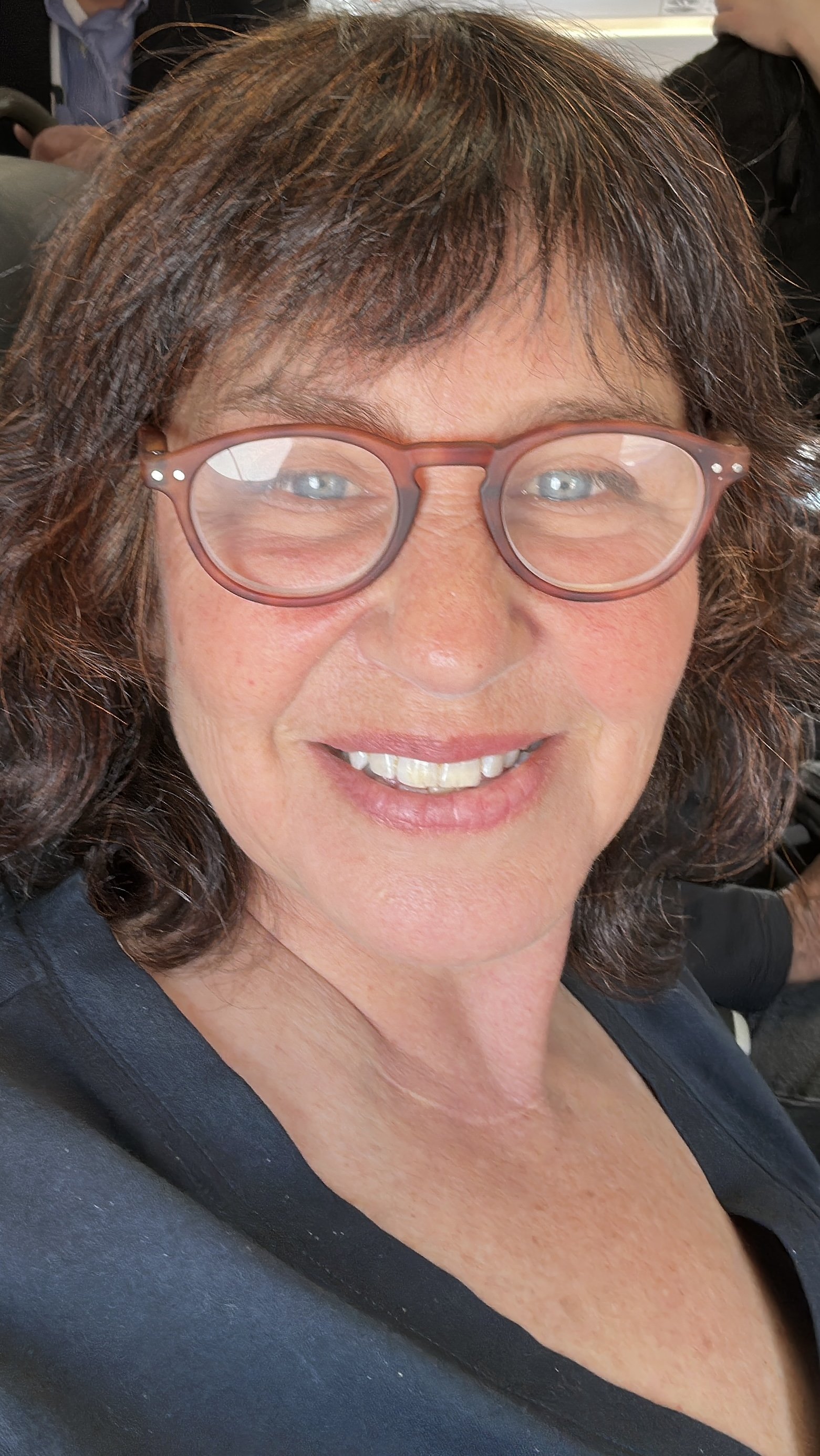
Mila Holt is a former television writer. She has an MFA from Pacific University, where faculty awarded her the merit-based Washburn Scholarship. Her work has been accepted to The Calyx Journal, The Vassar Review, One Art Journal, and other publications. Mila lives in Northern California.
________________________________________________________________________________________