Issue #34.1 Aaron D. Wiegert, Ron Riekki, Billy Critchley-Menor
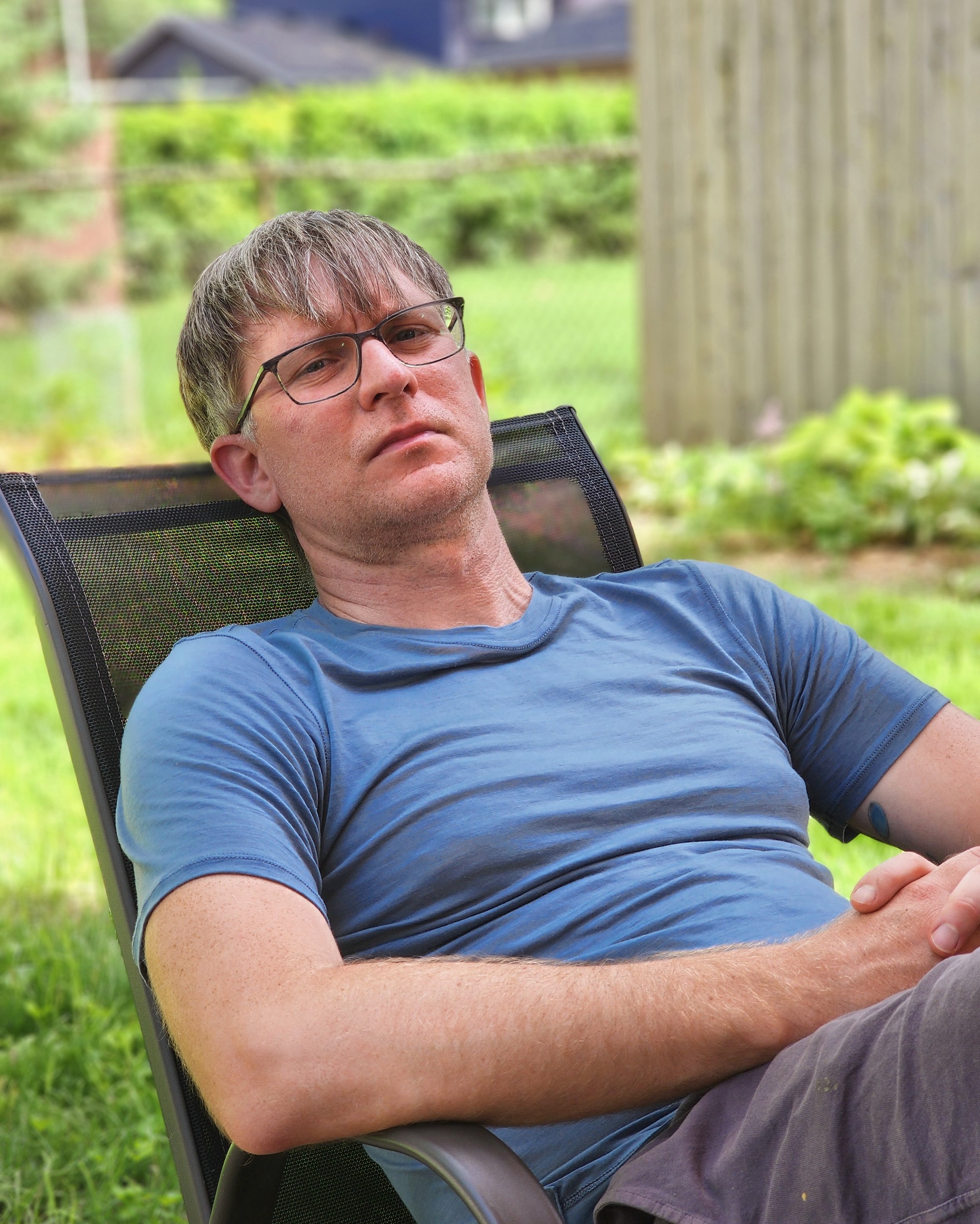
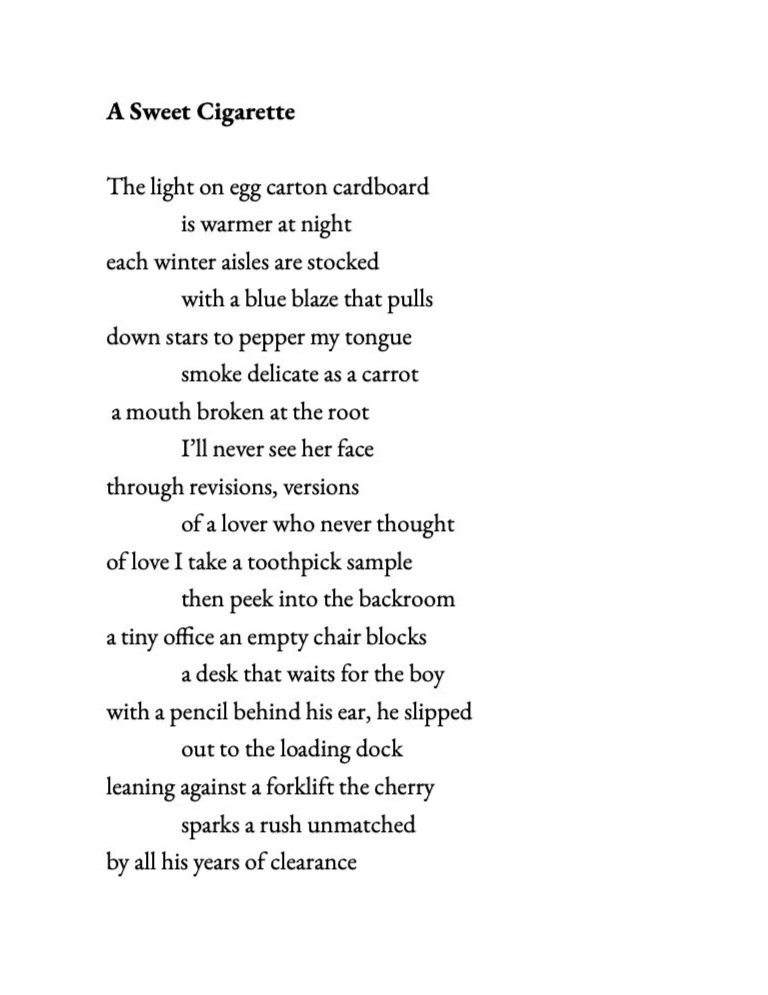
A Poem by Aaron D. Wiegert
________________________________________________________________________________________
Aaron D. Wiegert is a father and trail runner from Des Moines, Iowa. He penned the collection A Portrait of Energy, described by Chiron Review as 'a vital contribution to contemporary poetry.' Aaron is founder & editor of Churchdale Quarterly. His recent work can be found in DIALOGIST, JMWW, and Slipstream.
________________________________________________________________________________________
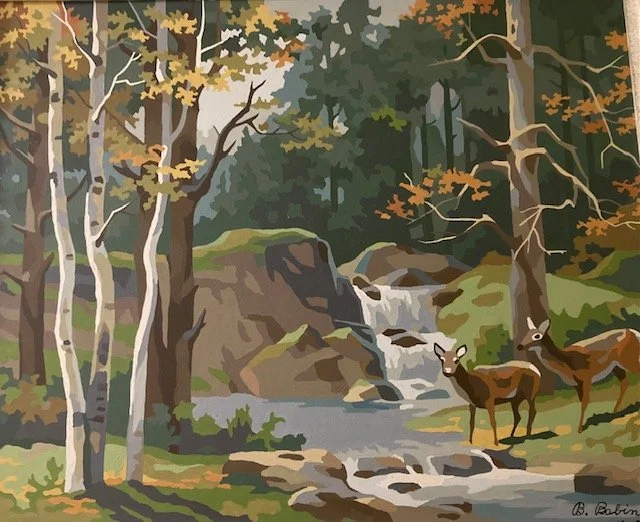
A Poem by Ron Riekki
I can’t stop writing poems
about the drill instructor strangling us in boot camp, when I’ve been kissed— my God, why focus on those killed when
there have been those lips that extended to the deeper tissues, life-threatening in terms of ‘threatening’ the normal boring
theater of life, the dullness, lips that made me believe in God, that destroyed outer layers of—what is the opposite of faith?—
that took away all pain, and not like third- degree burns where the nerve damage tricks, where you think you’ll never have pain ever
again, and, then, my God, when it returns, but, no, I keep going to my military days, my EMT days, my days in the prison, and,
no, not where I was incarcerated, except, yes, I guess I was, incarcerated by the torment of rent, how I’d take the jobs where I had
to sign waivers that I could die, and such a strange thing to sign—but it’s that drill instructor with his hands around my neck,
and, yet, also, you, when you did the same, except how gentle you were, how sensitive the throat is, how your fingernails insist, Eve,
Adam, this Biblical thrill at your touch, and, yes, too, boot camp was filled with the Bible, eyes on text in chapel where we were safe,
the pastor asking us to close our eyes to pray and how I’d sleep, micro-sleep, adored prayer for the reason of dissociating, hovering between
here and the netherworld, not realizing war was so close, just on the other side of my eyes, that only one of us would be killed in boot camp,
but ten by the end of the war, and here I go, forgetting you, forgetting your tenderness for deaths, as if those outrank your hasted, eager
clutching for me as if I held something good?
________________________________________________________________________________________
Ron Riekki has been awarded a 2015 The Best Small Fictions, 2016 Shenandoah Fiction Prize, 2016 IPPY Award, 2019 Red Rock Film Fest Award, 2019 Best of the Net finalist, 2019 Très Court International Film Festival Audience Award and Grand Prix, 2020 Dracula Film Festival Vladutz Trophy, 2020 Rhysling Anthology inclusion, and 2022 Pushcart Prize. Right now, Riekki's listening to "Spoon on Austin City Limits 'Inside Out.'"
________________________________________________________________________________________

A Poem by Billy Critchley-Menor
But Not Only Me
The launch of a heartbreak. The lunching of dictators. Poison of poverty perverting Power. Out going bathwater Through windows, onto streets Flooding garbage slime making Stench rise around us. Yes, There are lilac bushes and there are the dying Children’s bones cracking, Poking through stained skin, rubble Bubbling down. And there is the torrent Of unfulfilled longings Like everyday opening a jar of peanut butter that has already been scraped clean by not you. The feeling in the body, The want, inscribed from wounds You do not even remember, know You may never remember, know You are walking amnesia and accept That circling around your body are memories You will not touch. When you wake in the middle of the night Your heart puffing Black Dust through your chest and then You recall the worser, try Balancing your own black puffing heart With the bleeding wounds of a million so You clasp your hands or you unclasp them. When I greet God face to face–yes–I will have much to answer for. But not only me.
________________________________________________________________________________________
Billy Critchley-Menor, SJ is a graduate student of theology at Boston College. His writing has appeared in America, Commonweal, and Dappled Things. He is the author of the collection of poems, As It Is (One Subject Press, November 2026). You can find his regular writing on Substack at fromeveryside.substack.com. He is a member of the Jesuits and is originally from Duluth, MN.
________________________________________________________________________________________
Issue #34.2 Natalie Marino, Jacob Schepers, Charles Hensler, Zebulon Huset
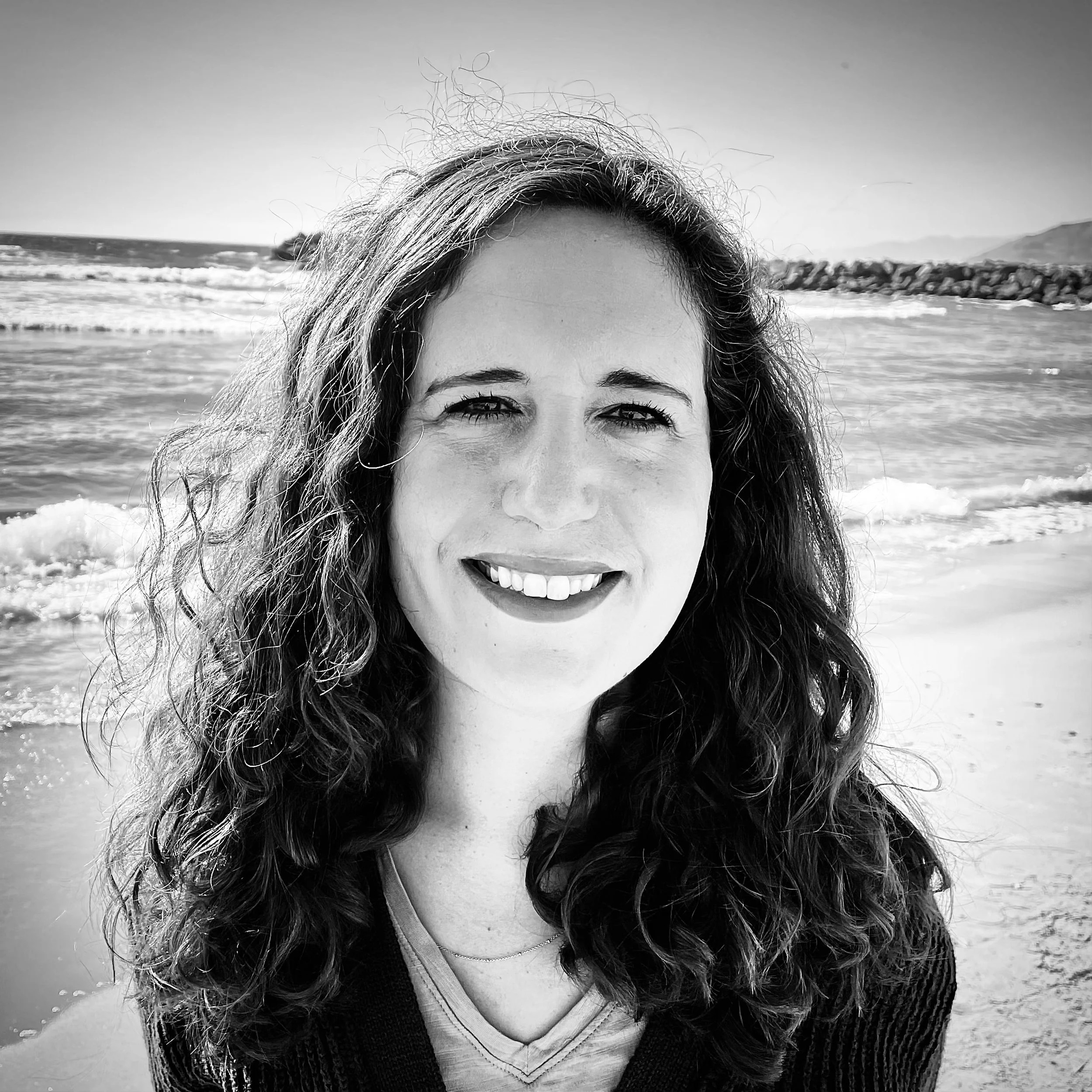
Two Poems by Natalie Marino
Feminine Mystique
A bagworm moth starts to build her case— made of silk and soil or sand— just after she hatches. Inconspicuous, she lifts her head in the night’s shade. She can eat lichen but prefers green leaf. Because she is wingless and her legs are vestigial she cannot leave. She waits for a male to choose her. When this finally happens she lays her eggs and dies.
No One Likes a Feminist
Born to be a traitor or hero
I was always a feather ruffler.
Seeing a prize to win in every ring
I learned long ago how hard it is to shake off guilt
when you carry all your mistakes in a suitcase.
A great leader isn't afraid to talk to God
or intimidated by one hundred years of war.
I wear white lilies wherever I go.
Too brave to worry about
blame or claims of blasphemy
my name is a synonym for day
________________________________________________________________________________________
Natalie Marino is a poet and practicing physician. Her work appears in Hayden’s Ferry Review, Little Patuxent Review, Pleiades, Puerto del Sol, Salt Hill, wildness and elsewhere. She is the author of the chapbook End of Revels (Bottlecap Press, 2025). She lives in California. You can find her online at nataliemarino.com or on Instagram @natalie_marino.
________________________________________________________________________________________
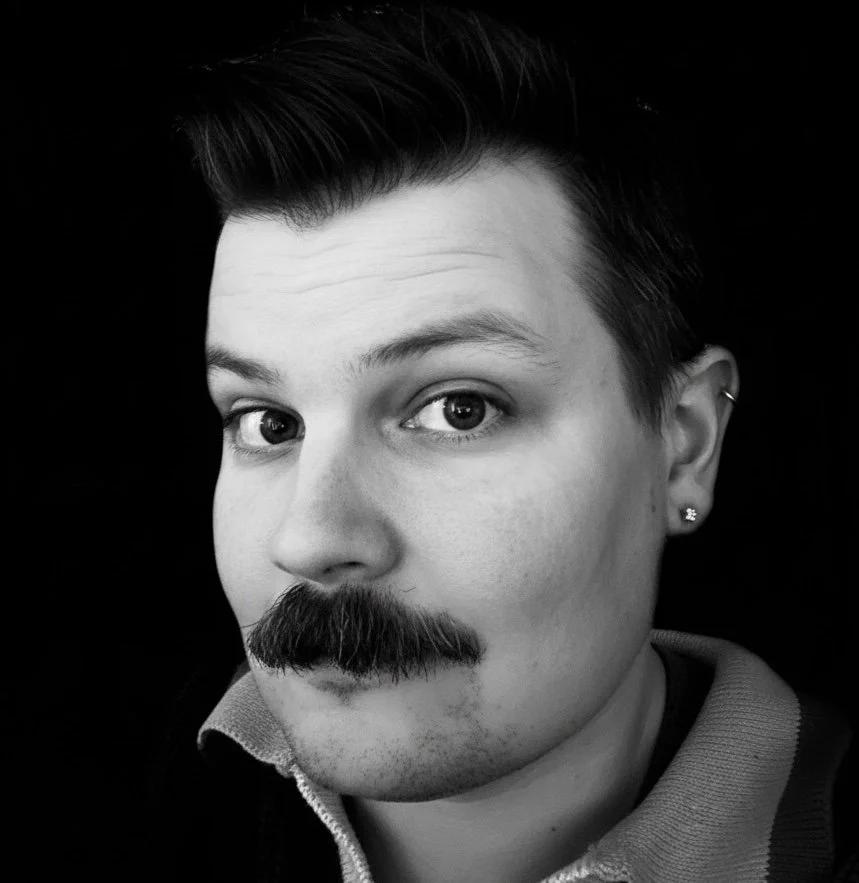
Four Poems by Jacob Schepers
Four excerpts from glitch whelps
we’re known to the nth degree,
our reputation looming
on the warp, the woof.
there’s plenty of danger in it.
there’s plenty of anger in it,
in what we do, glitching,
upsetting ye olde
established norms
we’re surveilled because we pose
this threat like any threat surveilled.
yes, we glitch. what of it?
yes, we’re whelped. what’s more?yes, we’re whelped. what’s more,
we’re whipped into shape
and then some, more
for good measure. do you get
they want us tender
in order to fall apart in your
mouth, go to pieces at the first
sign of a patch, a fix?
bad, bad, bad is how we run,
foolhardy, reckless. downright
naughty. poured from our amniotic
sac, we’re liquid bugs. We take the shape of
whatever container you put us in.whatever container you put us in
is bound to leak. we bore
holes in any holding cell and
prison. when we are bored we cause
trouble. when we aren’t we wreak
havoc. we hear sirens, calls
of alarm wherever we go.
when we surface from our pits
we feel the shame you foist on us,
sense your unease. however
you may think of us, please know
we don’t think highly of you.
chastise us if you must.chastise us if you must.
muzzle us as befits the need.
raise us from the malware
wreckage, siphoning us straight
from the tank. before you ask,
we confess we sugared that tank,
tanked that malware,
created a need, caused a ruckus.
we have our assignment, our bindles packed, slung over our shoulders.
don’t worry about us, darling;
we’ll be just fine.
________________________________________________________________________________________
Jacob Schepers is an editor at ballast and the author of the poetry collections Ugly Ground Swell Moss (Carbonation Press, 2026) and A Bundle of Careful Compromises (Outriders Poetry Project, 2014). More at jacobschepers.com and on Instagram @jacobschepers.
________________________________________________________________________________________
A Poem by Charles Hensler
Pale Yellow
Snow is falling in Ohio. I’ve never been. God bless the people toiling in that cold. Warm rain falls in my hand so I know something of a sky gently collapsing. When the postman comes I’m quick as a sparrow—who doesn’t like the surprise of an arrhythmia, the promise of an unexpected glance in the cartographer’s window? You, reflected, above oceans, among mountains, somehow smaller, that pale yellow coat— diaphanous hand extended, catching rain.
________________________________________________________________________________________
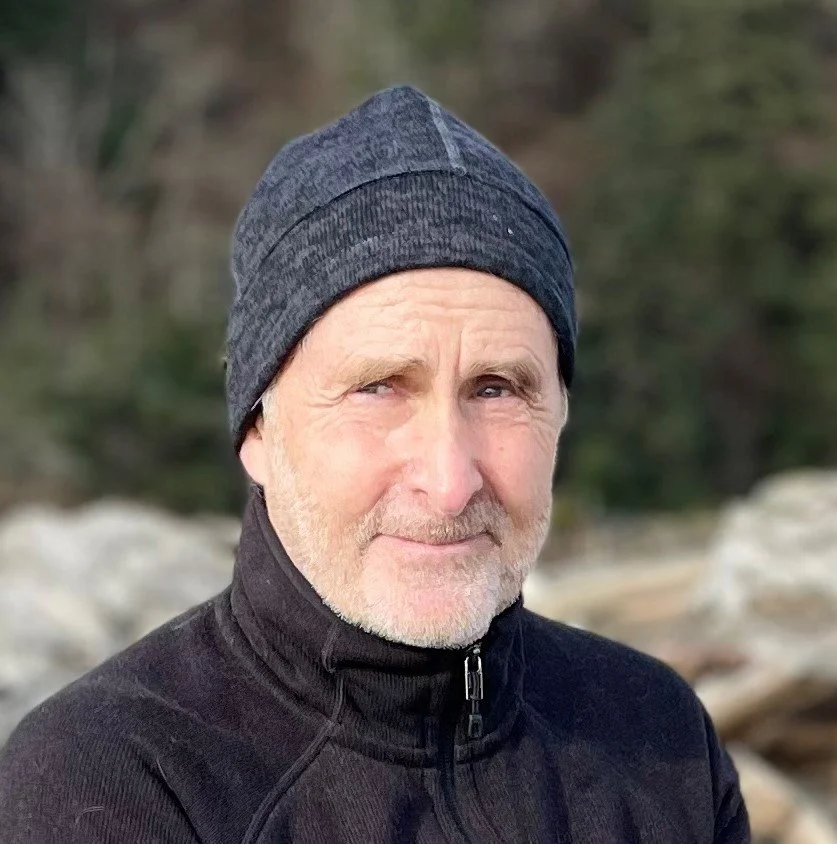
Charles Hensler lives and writes in the Pacific Northwest. His work has appeared or is forthcoming in North American Review, West Trade Review, Epiphany, JMWW, Rust & Moth, The Shore, Stone Circle Review and others.
________________________________________________________________________________________
A Poem by Zebulon Huset
Shark v. Hole
While it’s uncouth to pit body counts against each other, in the football game of shark vs holes dug in the beach,
the holes have it 16-11*, and one way or another, both teams ended up with a safety which is what
Alanis Morrisette would call ironic. Lifeguards seek grey fins in an undulating field of blue-grey choppiness,
the sandcastle’s moat grows. The frat boy is buried vertically and forced to bong four beers—left passed out, neck deep in his crater.
When they remove the body to sleep it off horizontally, the excavated sides slump, it liquifies with the tide into
the quicksand that haunts our Saturday Morning Cartoon nightmares. In the end it almost never is the monster—it’s an old man in a mask,
a pod of dolphins, some mud, the wind, just a little swamp gas. It’s just the habit of humans to find patterns in mind-numbing voids of meaning.
*from 1990-2006
________________________________________________________________________________________
Zebulon Huset is a public high school teacher, writer and photographer. He won the Gulf Stream 2020 Summer Poetry Contest and his writing has appeared in Best New Poets, Booth, Meridian, Smartish Pace, The Southern Review, Fence and others. An advocate of strength conditioning your creativity, he has posted over 2k writing prompts at his blog Notebooking Daily and edits the prompt-based Sparked Literary Magazine which is back from hiatus in 2026.
________________________________________________________________________________________
Issue #34.3 Cal Freeman, Geoff Sawers, Cody Adams

Two Poems by Cal Freeman
A Helmet and a Pair of Boots
1975 Jim Beam decanter, flanged ceramic, kilned in the wake of the Fall of Saigon to honor the GIs who drank the stuff on leave and kept a market for it past LBJ’s and Nixon’s brutal follies. My mother-in-law didn’t know what it was when she found it in her father’s garage, and all the directional prepositions that bring it to our house on my mother-in-law’s 75th birthday make for bad prose and worse poetry. Jean-Guy Proulx, a poem of a name, not a marine but a Navy man who served on a PT boat in the Pacific Theater, bought it from a party store on Warren on a jingoistic whim 30 years past his active duty days. When I wake up that morning Sarah has been weeping. She’s imagining her mother gone. She can’t believe she’s turning 75. When my mother-in-law arrives with this gift for us, I become irrationally nostalgic for the Fall of Saigon and the people clinging to helicopter skids in the iconic footage, in the culmination of a disaster Sarah’s grandfather had no role in, I was not alive for. Jean-Guy shipped out after Pearl Harbor and unheroically buzzed around the little islands. Back home in Dearborn he took to gardening and nipping from pint bottles in his two-car garage where he composted coffee grounds and grapefruit peels for his heirloom tomatoes. There’s still a slug or two of 80-proof whiskey sloshing in that ceramic boot when she gives it to us and I think of how on that final trash night at her childhood home, clearing old detritus, the prolix of her parents’ lives, into a rented dumpster, my mother-in-law must’ve paused and said to Sarah’s father or herself, John and Sarah might want this for their basement bar. They appreciate this kind of thing.
Living at the Movies: A Brief Memoir With Jim Carroll and Horses
I was 16 and serious. I carried a copy of Jim Carroll’s Living at the Movies dog-eared at “The Narrows (for Carol Kane)” which I kept re-reading despite not knowing who Carol Kane was. After mucking out stalls, I’d take the book into the coffee shop above the indoor riding ring at Rushlow’s Farm, my friend Molly down there loping a chestnut mare through the cloverleaf pattern, switching leads at the corner barrels, vertices C and B of the triangle, wordless, cue-less lead changes, left foreleg to right foreleg, rider motionless, her stillness a kind of irreligious grace. I drank coffee from a Styrofoam cup and read until I didn’t care anymore about the disced dirt of the ring or the footings of a horse or the death of an historical figure. I’d seen Jim Carroll read poems at the Magic Stick in Detroit earlier that year and marveled at the tremolo of his thin nasal voice as he read lines plumbed from the marrow and the junk he plunged into his veins. He kept pulling a white bandana from his back pocket and blowing his nose between poems, scarred arms holding the pages a few feet away from his reading glasses. I watched and decided writing poetry was the most noble thing you could do. I was a city kid, but I’d get to Rushlow’s as often as I could. They were gentle, and patient with their horses, and they didn’t let on that they thought my scribbling in moleskin notebooks was strange. I didn’t have the patience to work the horses from the ground up the way Molly taught me, to let them out on the lunge rope and put them through their gaits before mounting up and riding, to slow down, to notice how an ear would twitch or a mane would tremble near the withers when the animal was scared, to turn a scared horse back into itself with the inner rein to keep it from lighting off. I fell so many times that year. I’d smoke cigarettes on my drives home listening to the Jim Carroll Band, “The People Who Died” and “I Want the Angel.” The first poets were singers, I’d soon learn. Jim Carroll couldn’t carry a tune and neither could I, but for a time he saved his own life from what he’d done with it.
________________________________________________________________________________________
Cal Freeman (he/him) is the author of several books and chapbooks, most recently The Weather of Our Names (Cornerstone Press 2025). His writing can be found in many publications, including The Glacier, Berkeley Poetry Review, Willow Springs, Oxford American, and North American Review. He teaches at Oakland University.
________________________________________________________________________________________
A Poem by Geoff Sawers
The Night of the 20th July, 1841
John Clare escapes from the asylum at Epping Forest; sets out to walk back to Peterborough: “Night finds me on this lengthening road alone…”
The open way, the great north road is a path back into Eden. Two suns revolve, the angel sheathes her sword two moons hang low and pale in the dusk.
Night is an illusion. Only the dawn is real. He breaks his fast on clover, binds his feet the elm-sided road is hard, the corn is brown a man throws him a penny for a half of beer
complacency of the crows who can afford to wait watch him reel and catch his breath he still has breath. Imagine Byron walking the waves like this the length of the long Hellespont
________________________________________________________________________________________
Geoff Sawers is a neurodivergent writer from Reading (UK). His most recent book is Widdershins Walk (with Peter Driver, Peculiarity Press 2025) and he edited and wrote the introduction for The Complete Short Stories of Dorothy Edwards (Blackthorn Press, 2025). Paintings on Instagram: geoff.sawers
________________________________________________________________________________________
Two Poems by Cody Adams
Pallbearing, Poorly
He was a big man, pregnant with stale beer still sloshing around his dead gut. As we carried him, I could feel the waves of amber ale within him rock to and fro, the same way the Great Lakes get choppy and pissy when instigated by Nor’easters. As we approached the hearse he spent most of his life driving, every muscle in my caboose cramped. I dropped to one knee and clutched my convulsing butt knots. When my corner of the casket fell, the lid popped open for a brief sliver of eternity: his eyes burned through closed lids to find mine and inquire what in the hippie hell was wrong with me. Gravity snapped the lid shut before he could overcome the rigor mortis, before he could reach out his brawny paw and thump me upside the noggin one last time.
Demolition & Renovation
When our marriage counselor tossed her hands up in frustration and said “Just make it work,” I was reminded of the time Slim rhymed orange with door hinge and porridge and George by bending the words with his mouth, like forcing square blocks through round circles. Just make it work–the brute force of a stubborn decision to stay even when it requires amputations, even when we know that forcing the shapes against their natural frames will change them permanently, your circle a little sharper, my square softer. You still spill crumbs on the couch, burying trans fat fragments between cushiony coffins. But you also sprinkle your Desi dust over curry every week, the spices my forefathers killed themselves to sail to way back when I couldn’t know you.
You went home before me, and left me in a shape only you could recognize. I watch each dawn arrive, waiting to find your familiar silhouette bounce toward me against a sunrise sharp and round and never destined to set.
________________________________________________________________________________________
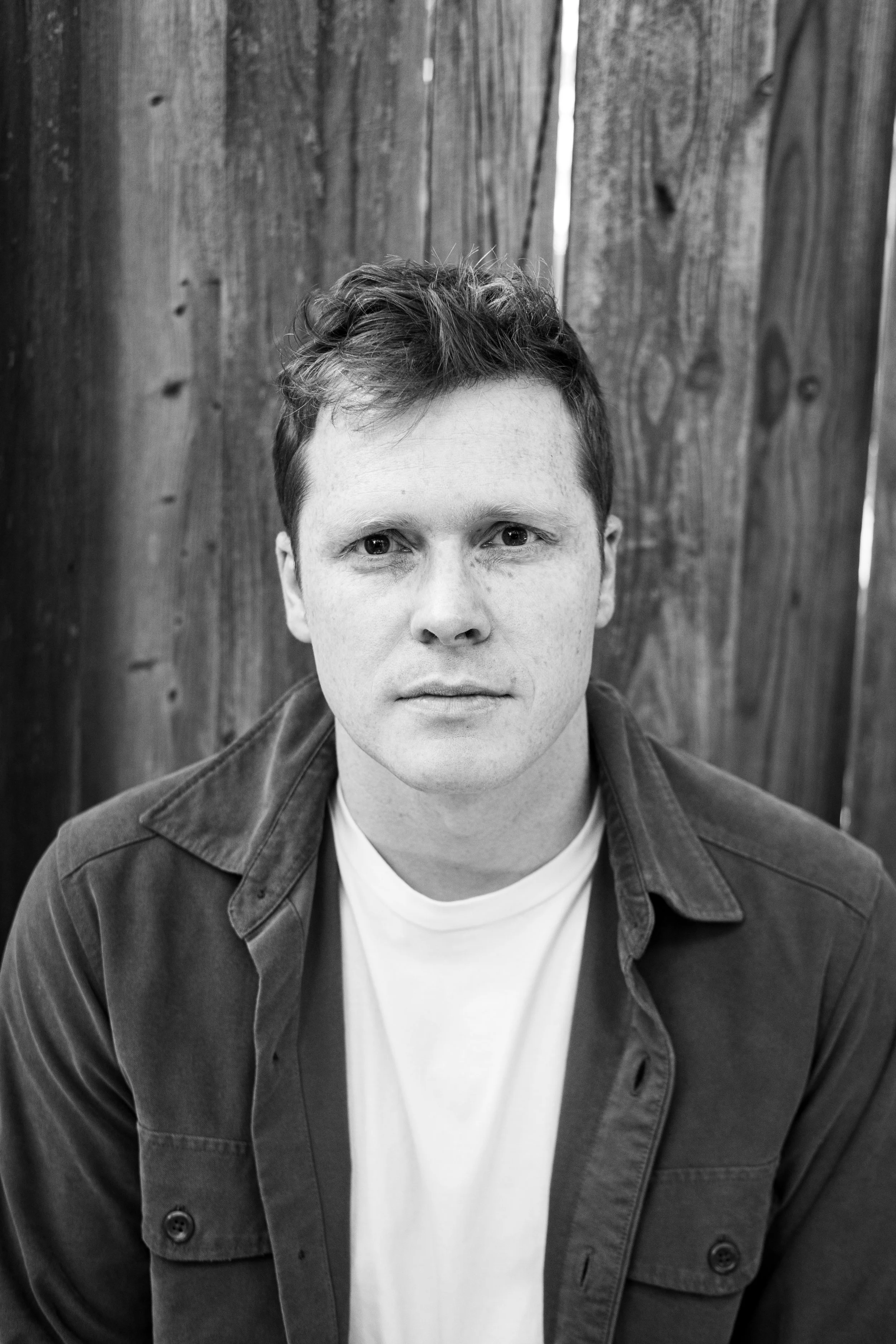
Originally from Buffalo, NY, Cody Adams is a high school teacher in Toronto. His recent work has appeared in Solum Literary Press, Heart of Flesh, Defenestration, Ekstasis Magazine, Cacti Fur, among others. He received his B.A. from St. John Fisher University and his M.S. from the University of Rochester. He won the Clarence Amann award for fiction and his poetry has been nominated for ‘Best of the Net.’ He also serves as a Board Member for Forefront Festival.
________________________________________________________________________________________
Issue #34.4 Trevor Owen Jones, Simon Ravenscroft, Claudia Wilson
Two Poems by Trevor Owen Jones
O’Clock
The grandfather clock at midnight struck and kept striking after mechanical failure. The whole house awoke, it kept ringing and ringing for hours until it was seven thousand o’clock.
Shutting Up
Every day lately it seems there comes a moment to decide to shut up.
And every day, that moment arrives a little earlier than before:
The swimming pool is filled with spontaneous rain.
________________________________________________________________________________________
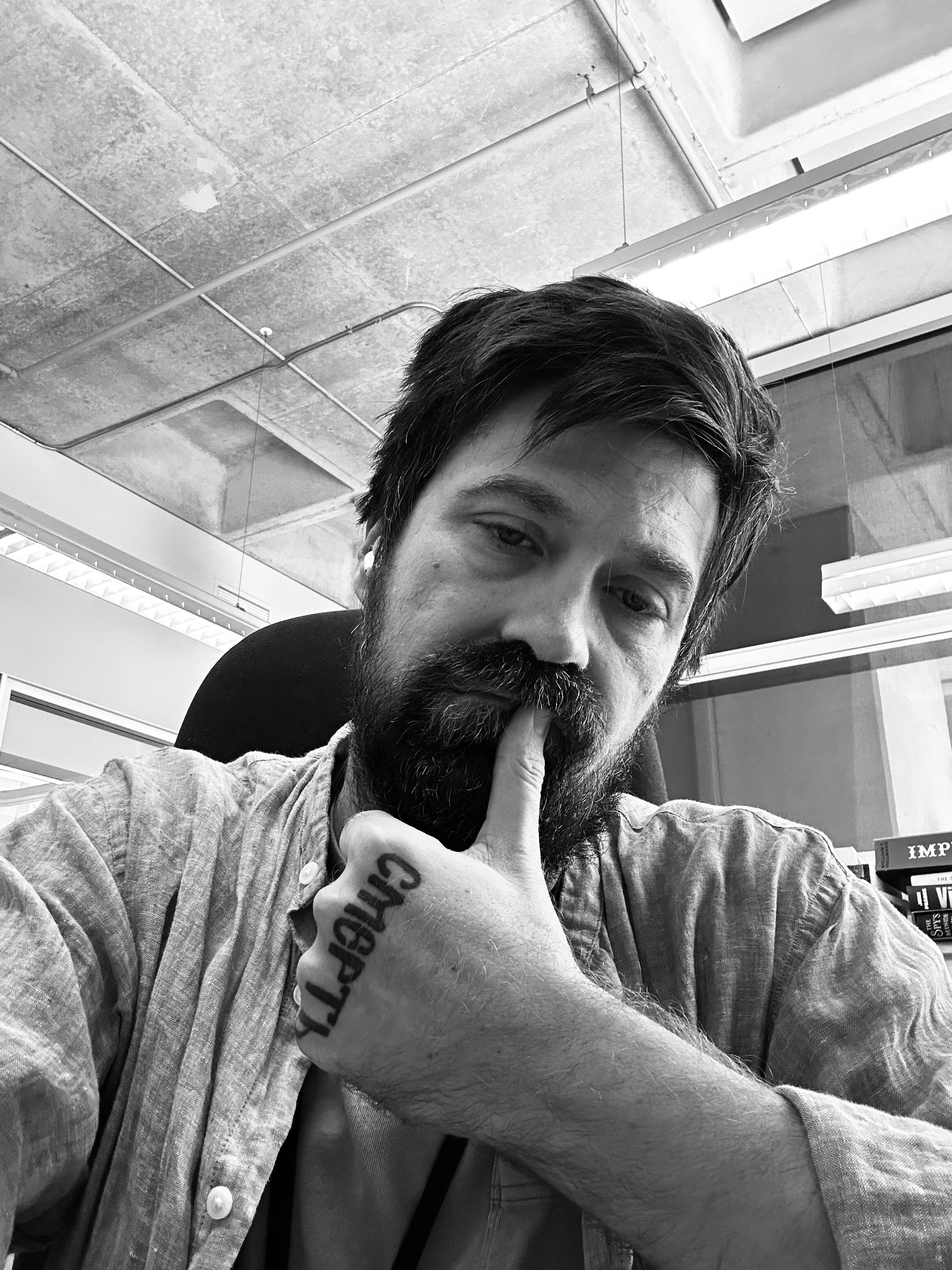
Trevor Owen Jones is a librarian in California.
________________________________________________________________________________________
A Poem by Simon Ravenscroft
Beside a salmon run
Outside under the heady pressure of air & cloud, a tide of common feeling makes for new atmospheres among the damned, leading to no distinct revelation perhaps but still significant to those involved. If the hazy interaction of things was better understood, life with others might be much more bearable. It is a known fact that the root of the wild carrot develops a bitterer taste in the presence of apples for example. But on the whole the porosities of material phenomena are in- adequately applied to social matters, the mental hygiene of the age preferring to clear them out into the recycling bin for the sake of some spurious con- ception of the individual will as monadic & self-sustaining, like a star.
________________________________________________________________________________________
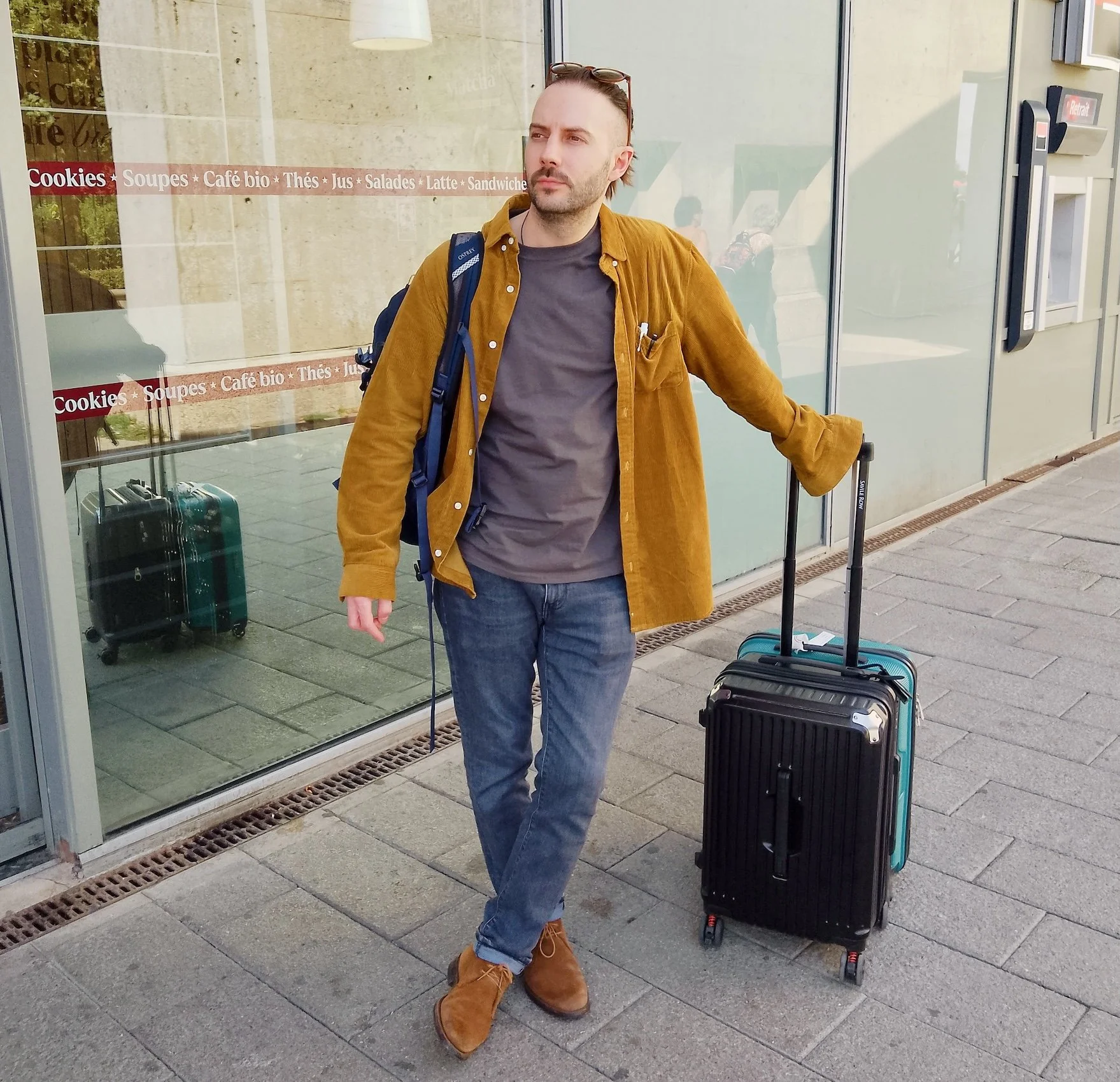
Simon Ravenscroft has published poems recently in Heavy Feather Review, The Inflectionist Review, Exacting Clam, Atrium, Full House Literary, and other places. He is a Fellow of Magdalene College at the University of Cambridge, and has a website at: simonravenscroft.haus
________________________________________________________________________________________
A Poem by Claudia Wilson
For Dad and to the Cop that Killed Him on Accident.
Now, he is gone from me my father who rolled dumplings with his fingers standing over a steaming pot like a chevalier kept watch until they formed perfect clouds in a ladle of gravy.
You took him, officer like a lazy god takes water from his people because you can because you did.
I want to punch you in your stupid face until a blanket of blood covers you over and over until my hand is bent out of the shape of hope. You got to go back home after roaming the streets in your car the death machine kiss your family after a shift of carnage.
Now, he is gone from me my father crooning Dennis Brown’s Here I come with love and not hatred in his van after cleaning the shit from people’s carpets.
The noise collision makes is an awful song hissing from the road steaming from the tarmac. Dad would say he was grateful for everything he had.
Everyone and everything we’re gonna lose and I thought I would have you forever, dad, or at least longer than this.
For you, there is no cup I will not fill.
Meat off the bone made it to my plate piping hot, Dad blew on the food he made for me. I can’t rid my hands of their desire to squeeze the life out of you, officer. To place my hands around that thick neck of cold blood.
The only thing that guards me are the songs my dad held in his voice and carried in his body singing them in the kitchen filled with himself, his food and his skin dark as mine holding a wooden spoon stirring.
________________________________________________________________________________________
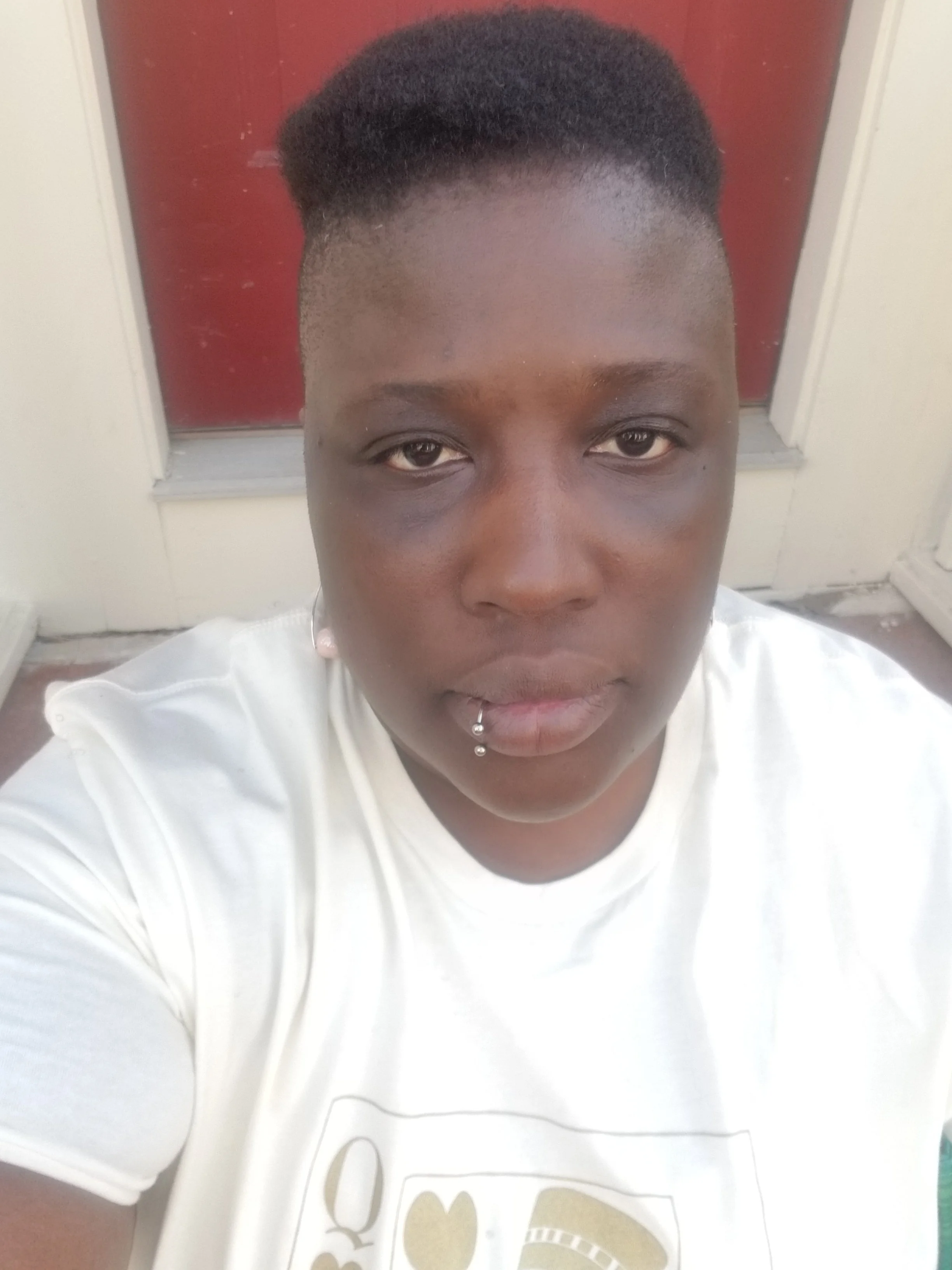
Claudia Wilson is poet from Cleveland and Columbus, Ohio. They studied English and Black Studies in college and earned their MFA. Their work lives at the intersections of identity, memory, and becoming—and is deeply rooted in the black church aesthetic. Claudia grew as a writer in spaces like The Writer’s Block in Columbus, and the Cantab Lounge and House Slam in Boston, which were foundational to their creative discipline. Claudia is a VONA Fellow, a Juniper Fellow, and a graduate of The Writer’s Hotel and most recently FAWC. Their debut chapbook, GROWN (Game Over Books, 2019), explored themes of growth, survival, and transformation. In addition to their literary work, Claudia is active in the mental health field, where they support community-based, peer-centered alternatives to suicide groups —intentional, non-carceral spaces that center honesty and self-determination. Claudia lives with their cat Pablo in Sunnydale and is All Elite.
________________________________________________________________________________________